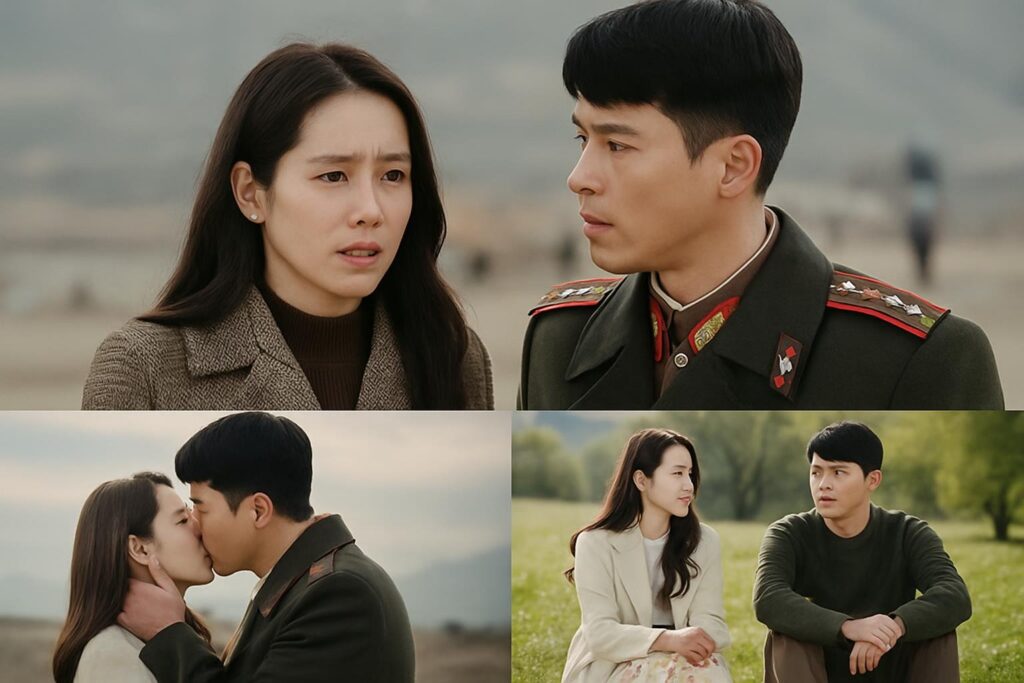
Queen of Tears, written by Park Ji-eun (the creator of Crash Landing on You), is far more than a typical “rich girl, poor boy” romance. It is a profound, often heartbreaking, and ultimately healing exploration of what happens after the “happily ever after.”
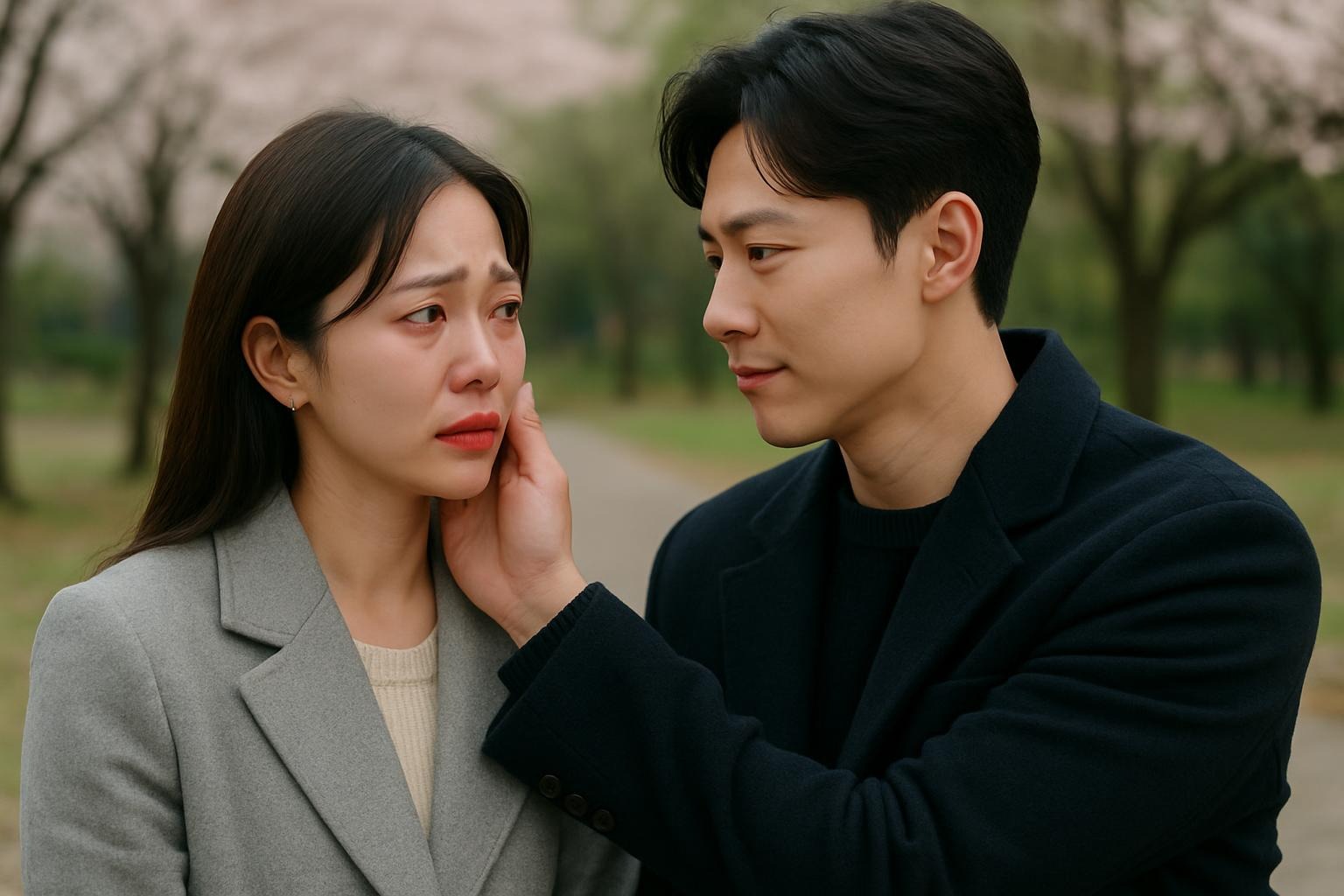
By subverting the traditional K-drama formula—starting with a crumbling marriage rather than a budding crush—the series captured a global audience by reflecting the complexities of long-term commitment, the weight of pride, and the power of vulnerability.
Part 1: The Narrative Flip – From Fairy Tale to Legal Battle
The story begins three years into the marriage of Hong Hae-in, the cold, billionaire heiress to the Queens Group, and Baek Hyun-woo, the “supermarket prince” and legal director from a humble rural village.
Unlike most dramas that end with a wedding, Queen of Tears opens with Hyun-woo desperately wanting a divorce. He is suffocated by his in-laws’ narcissism and his wife’s perceived indifference. The narrative hook arrives with a devastating diagnosis: Hae-in has a rare brain tumor and only three months to live. This “ticking clock” serves as the catalyst that forces both characters to peel back layers of resentment and rediscover the love they buried under pride and trauma.
Part 2: Romance Analysis – The “Inverse” Chemistry
The chemistry between Kim Soo-hyun and Kim Ji-won is the series’ greatest strength. They navigate a relationship that moves through three distinct phases:
1. The Wall of Silence (The Resentment Phase)
At the start, their communication is non-existent. Hae-in uses her coldness as a shield, while Hyun-woo uses his misery as a weapon. This phase resonates with many viewers because it reflects “roommate syndrome”—where couples coexist but are emotionally miles apart.
2. The Vulnerability Breakthrough (The Healing Phase)
As Hae-in’s health declines, the power dynamics shift. Hyun-woo moves from wishing for an escape to becoming her fiercest protector. The romance here isn’t about grand gestures; it’s about the “small things”—holding an umbrella, drying hair, and finally saying the words they had swallowed for years.
3. The Choice to Love (The Mature Phase)
The drama argues that love isn’t just a feeling, but a daily choice. Even when Hae-in loses her memories, she falls for Hyun-woo again. This reinforces the idea that their connection is “written in the stars” but maintained through conscious effort.
Part 3: Ending Explained – The Meaning of the “Lavender Fields”
The finale of Queen of Tears sparked massive debate and “ending explained” searches. Here is the breakdown of its symbolic meaning:
- The Passing of Time: The show takes a bold leap into the future. We see Hyun-woo and Hae-in living a long life together, raising a daughter, and aging. This was a direct answer to the “tragedy” tropes; the writers wanted to show that they reclaimed the decades they almost lost.
- The Tombstone & The Reunion: The final scene shows an elderly Hyun-woo visiting Hae-in’s grave in Germany, followed by a vision of them reunited in a field of lavender.
- The “Grandmother” Theory: The ending suggests that Hae-in lived until 2074. The “Queen of Tears” isn’t a tragic figure who died young; she is a woman who cried, loved, and lived a full life. The final reunion in the afterlife signifies that their love transcended the physical body and the “brain clouds” of illness.
Part 4: Life Lessons – Wisdom from the Queens Group
- Communication is the Only Antidote: Most of the couple’s suffering stemmed from a miscarriage they never properly grieved together. The show teaches that shared pain strengthens a bond, while secret pain destroys it.
- The Burden of Family: Through the Queens family’s downfall, the show critiques corporate greed and emphasizes that “family” is defined by who stands by you when you have nothing, not by bloodlines or stock options.
- Live in the Present: Hae-in’s illness reminds us that we often postpone happiness for “someday.” Her journey teaches viewers to find “glory” in the mundane moments of today.
Part 5: Why It Became a Global Phenomenon
Queen of Tears succeeded because it balanced high-stakes corporate intrigue with raw, relatable human emotion. It didn’t shy away from the “ugly” parts of marriage—the petty arguments, the jealousy, and the desire to give up. By the time the credits rolled, it wasn’t just a story about a rich girl and a poor boy; it was a testament to the endurance of the human heart.
| Element | Impact on Viewers |
| Visuals | High-budget German landscapes and luxury fashion. |
| Acting | Kim Soo-hyun’s “crying scenes” became viral benchmarks for emotional acting. |
| Script | Subverted the “illness trope” by focusing on the relationship rather than just the medical trauma. |
Would you like me to dive deeper into the specific symbolism of the “Greenleaf” or the “Go” metaphors used in the show, or perhaps compare Hae-in’s character arc to other “Ice Queen” protagonists in K-dramas?