In the world of construction and civil engineering, understanding the types of structural systems is fundamental for designing safe and efficient buildings. Two common types of structural systems are Load Bearing Structures and Framed Structures. Each system has its unique characteristics, advantages, and applications. This blog post aims to explain the differences between load bearing and framed structures, helping you grasp their significance in construction.

What is a Load Bearing Structure?
A Load Bearing Structure is a type of construction where the walls themselves carry the weight of the building, including the floors and roof. In this system, the walls are not just partitions but act as the primary support elements.

Characteristics of Load Bearing Structures:
- Walls support the entire load of the building.
- Typically made from bricks, stones, or concrete blocks.
- Floors and roof are supported directly by the walls.
- Usually, the thickness of walls varies according to the load they carry.
- Limited to low-rise buildings due to structural limitations.
- Openings like doors and windows are restricted to maintain wall strength.
Advantages:
- Simple construction technique.
- Cost-effective for small buildings.
- Less skilled labor required.
- Good thermal insulation due to thick walls.
Disadvantages:
- Limited flexibility in design and layout.
- Not suitable for tall buildings.
- Difficult to modify or renovate later.
- Heavier foundation required due to load concentration.
What is a Framed Structure?
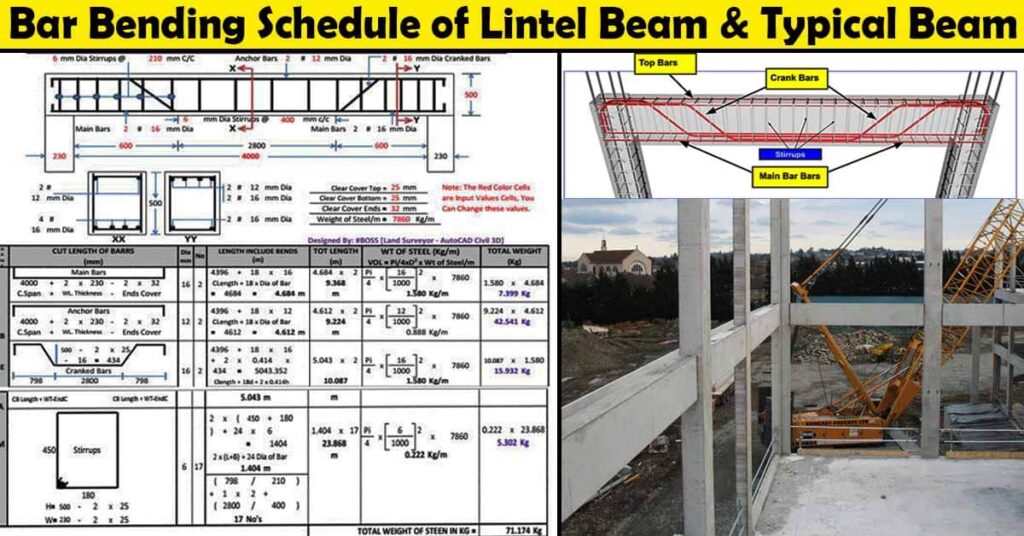
A Framed Structure refers to a construction system where the building’s load is carried by a skeleton frame made of columns and beams. The walls in this system are non-load bearing and serve only as partitions or external facades.
Characteristics of Framed Structures:
- Load is transferred to the foundation through columns and beams.
- Walls do not carry any load except their own weight.
- Can be constructed using steel, reinforced concrete, or timber.
- Allows for large openings and flexible interior layouts.
- Suitable for high-rise buildings and complex architectural designs.
- Floors are supported by beams connected to columns.
Advantages:
- Greater flexibility in design and space utilization.
- Allows for taller buildings.
- Easier to modify or renovate.
- Lighter foundation compared to load bearing structures.
- Faster construction with prefabricated elements.
Disadvantages:
- Higher construction cost compared to load bearing structures.
- Requires skilled labor and accurate engineering.
- Less thermal insulation unless additional measures are taken.
Key Differences Between Load Bearing and Framed Structures
| Aspect | Load Bearing Structure | Framed Structure |
|---|---|---|
| Load Transfer | Walls carry the load | Columns and beams carry the load |
| Materials Used | Brick, stone, concrete blocks | Steel, reinforced concrete, timber |
| Wall Function | Load bearing | Non-load bearing |
| Building Height | Suitable for low-rise buildings | Suitable for high-rise buildings |
| Design Flexibility | Limited openings and layout flexibility | Highly flexible design and layout |
| Construction Cost | Generally lower | Generally higher |
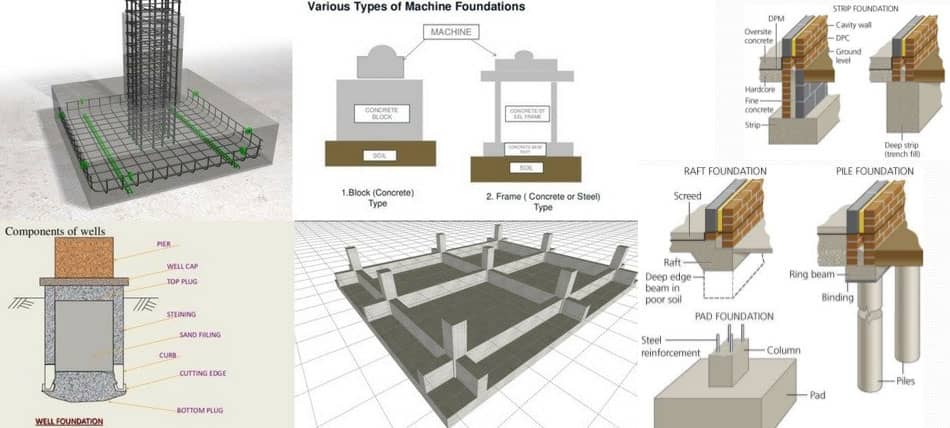
| Foundation | Heavier foundation needed | Lighter foundation due to load distribution |
| Renovation | Difficult to modify | Easier to modify |
Applications
- Load Bearing Structures: Typically used in residential houses, small commercial buildings, and rural constructions where simplicity and cost are priorities.
- Framed Structures: Preferred in commercial buildings, skyscrapers, hospitals, and large industrial buildings requiring flexibility and strength.
Conclusion
Choosing between a load bearing and framed structure depends on various factors such as building height, architectural design, budget, and intended use. Load bearing structures are ideal for simple, low-rise buildings with limited budgets, while framed structures offer versatility and strength for modern, complex, and taller buildings.
Understanding these fundamental differences helps architects, engineers, and builders make informed decisions, ensuring safety, economy, and functionality in construction projects.
Feel free to ask if you want more detailed information or examples of each structural type!