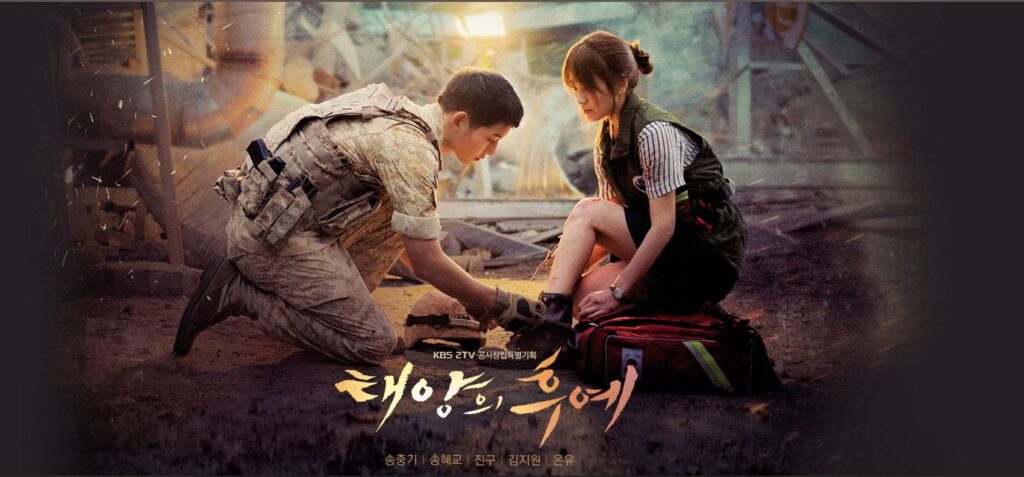
Goblin (도깨비), officially titled Guardian: The Lonely and Great God, premiered in 2016 and immediately became more than just another fantasy K-drama. Created by the legendary writer Kim Eun-sook (Descendants of the Sun, The King: Eternal Monarch) and directed by Lee Eung-bok, this series transcended genres, blending mythology, romance, comedy, and existential philosophy into what many consider the pinnacle of Korean television artistry. With its record-breaking ratings (peaking at 20.5% nationwide), iconic cinematography, and profound thematic depth, Goblin didn’t just entertain—it made audiences contemplate life, death, love, and memory.
Drama Overview
Korean Title: 쓸쓸하고 찬란하神 도깨비
Literal Translation: The Lonely and Shining God Goblin
International Title: Guardian: The Lonely and Great God
Episodes: 16 + 3 specials
Network: tvN
Broadcast Period: December 2, 2016 – January 21, 2017
Main Cast: Gong Yoo, Kim Go-eun, Lee Dong-wook, Yoo In-na, Yook Sung-jae
Writer: Kim Eun-sook
Director: Lee Eung-bok
The Premise: A Cursed Immortality
The Mythological Foundation
In Korean folklore, a 도깨비 (Dokkaebi) is not a monster but a supernatural being born from objects stained with human blood, often possessing magical abilities and a connection to human affairs. The series reimagines this folklore through a tragic backstory:
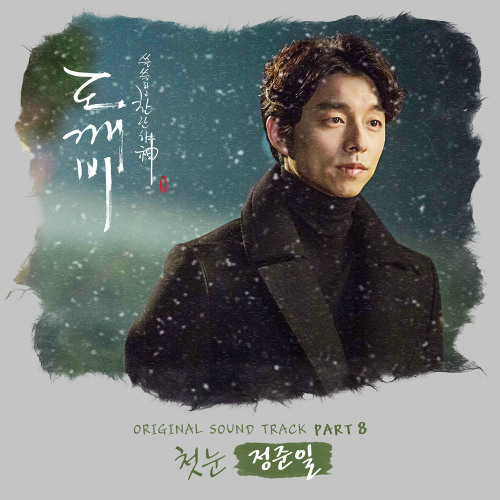
Kim Shin (Gong Yoo) is a legendary 10th-century Goryeo general, falsely accused of treason by a young, paranoid king. After being executed on the battlefield with his own sword, the “amnyeong sword” (sword of peace), he is cursed by the heavens: because so many died by his blade and he died filled with rage and betrayal, he becomes an immortal goblin. His only chance for the “peace of death” is to find his “goblin bride”—a human woman who can see the sword piercing his chest and pull it out, ending his immortality.
The Central Paradox
The curse contains heartbreaking irony: to find peace (death), he must find love (the bride who can end his suffering). This sets up the series’ core tension: Can one truly love someone destined to be their executioner?
Main Characters & Their Symbolic Roles
Kim Shin / The Goblin (Gong Yoo)
- 935 years old, has watched everyone he loved die across centuries
- Symbolizes: Eternal loneliness, the burden of memory, divine punishment and grace
- His journey: From wishing for death → fearing death because of love → accepting death as completion
- Key trait: His supernatural abilities (weather control, teleportation, wealth) mask profound melancholy
Ji Eun-tak (Kim Go-eun)
- The “goblin bride” born with the ability to see ghosts
- Cheerful high schooler with a tragic past: orphaned before birth, raised by abusive aunt
- Symbolizes: Life’s persistence, hope, the innocence that redeems ancient pain
- Her power: Can summon the goblin by blowing out flames (birthday candles, matches, etc.)
- Her journey: Finding family → falling in love with her destiny → choosing his life over his peace
Wang Yeo / Grim Reaper (Lee Dong-wook)
- An amnesiac death god who guides souls to the afterlife
- Revealed to be: The reincarnated king who killed Kim Shin (his former brother-in-law)
- Symbolizes: Divine justice, karma, the prison of forgetting
- His journey: Emotionless duty → recovering painful memories → seeking forgiveness
- Visual design: All-black suits, wide-brimmed hats, stark contrast to Goblin’s luxurious colors
Kim Sun / Sunny (Yoo In-na)
- Chicken restaurant owner with a bold, cynical personality
- Reincarnation of: Kim Shin’s sister (the queen), Wang Yeo’s wife
- Symbolizes: Enduring love across lifetimes, the different forms a soul can take
- Her journey: Modern independence → tragic love memory → choosing to forget to move forward
Yoo Deok-hwa (Yook Sung-jae)
- The goblin’s wealthy, irreverent nephew (28th generation descendant of his loyal servant)
- Served by: The enigmatic “God” (cameo by Lee El) who tests the main characters
- Symbolizes: Comic relief with depth, the mundane human perspective on divine drama
- His role: Audience surrogate, connecting supernatural and human worlds
The Four-Layered Love Story
1. Goblin & Bride: Destiny vs. Choice
Their romance operates on multiple levels:
- Mythological: Bride as fated executioner
- Psychological: 900-year-old traumatized man healed by youthful optimism
- Existential: Can love between mortal and immortal be anything but tragedy?
- Visual poetry: Quebec scenes represent a “world between worlds” where they can meet as equals
Iconic Scene: Episode 1’s first meeting in the fog—Eun-tak seeing the sword, Goblin seeing his salvation/doom personified as a teenage girl.
2. Grim Reaper & Sunny: Karmic Tragedy
A love story spanning lifetimes:
- Past life: King and Queen—a marriage of political convenience that became genuine love, destroyed by paranoia
- Present life: Instant, magnetic attraction with no memory of why it feels so tragic
- The twist: They recognize each other through reincarnation but cannot be together until their karmic debt is resolved
- Visual motif: Red scarves (past), black umbrellas (present)
3. Goblin & Grim Reaper: Bromance as Redemption
The series’ unexpected heart:
- Roommate comedy masking profound spiritual connection
- Former murderer and victim living together, unaware of their history
- Evolving relationship: Annoyance → friendship → brotherhood → painful revelation → forgiveness
- Symbolizes: That reconciliation is possible even for the gravest sins
4. All Characters & Memory: The True Love Story
The series argues that loving means remembering, and sometimes loving means choosing to forget so others can move forward. Each relationship explores different aspects of love’s relationship with memory.
Theological & Philosophical Themes
1. The Nature of God/Divinity
The series presents a non-denominational, enigmatic deity who:
- Speaks through dreams, coincidences, and intermediaries
- Believes in free will but sets tests and consequences
- Operates on karmic principles rather than punitive judgment
- Key line: “God is just a question, not an answer.”
2. Memory as Blessing and Curse
- Goblin: Cursed with perfect memory across centuries—his immortality is remembering
- Grim Reaper: Punished with forgetting—his hell is not knowing who he was
- Eun-tak: Chooses to forget her love to save him—the ultimate sacrifice
- Sunny: Chooses to forget and reincarnate—an act of self-liberation
3. The Meaning of a “Good Death”
The series redefines death not as failure but as:
- Completion of one’s purpose
- Reward for a life well-lived
- Transition rather than ending
- Peace earned through meaningful relationships
4. Intercession & Free Will
Characters constantly pray for divine intervention, but the drama suggests:
- God provides opportunities, not solutions
- Humans must make choices with the hands they’re dealt
- The greatest miracles are human acts of sacrifice and love
5. The Ethics of Immortality
Goblin’s long life raises questions:
- Is watching loved ones die repeatedly a fate worse than death?
- Can one remain human while outliving human concerns?
- Does infinite time make life meaningless or more precious?
Visual & Symbolic Language
Color Theory
- Goblin’s palette: Rich golds, deep blues, luxurious fabrics—regal but lonely
- Reaper’s palette: Stark black and white—binary, judicial, empty
- Eun-tak’s palette: Bright reds, yellows, school uniforms—vibrant life
- Sunny’s palette: Muted pastels—softened by tragic memory
Recurring Motifs
- Fog/Mist: The space between worlds, uncertainty, divine presence
- Fire/Flame: Prayer, summoning, life’s fragility, Goblin’s power
- Maple Leaves: Canada as neutral ground, autumn as life’s later seasons
- Buckwheat Flowers: Eun-tak’s symbol—”lover” in flower language
- The Sword: Pain made visible, the burden of history
- Doorways/Portals: Transition between life/death, mortal/divine
- Rain: Goblin’s sadness, emotional release
Quebec as Purgatory
The Canadian filming locations aren’t just scenic—they’re thematically essential:
- Represents a “space between spaces” where immortal and mortal can meet
- The red door scene is literally a doorway between his world and hers
- The chapel where Eun-tak prays becomes their spiritual meeting ground
- Seasonal changes mirror their relationship’s evolution
The Ending Explained: A Masterclass in Bittersweet Resolution
Part 1: Eun-tak’s First Death (Episode 13)
To save a bus of children, Eun-tak chooses to die—subverting the “goblin bride” prophecy. Her sacrifice:
- Proves love isn’t about pulling the sword but saving his life
- Shows she values others’ lives over their love
- Gives Goblin the very loneliness he thought he wanted, now realizing it’s hell
Part 2: The 30-Year Wait
After 30 years serving as a Grim Reaper (her reward for sacrifice), Eun-tak is reborn with all memories intact. The reunion:
- Goblin continues waiting—his curse transformed into devotion
- Eun-tak returns as a journalist in her late 20s
- Their reunion in Quebec completes the circle
Part 3: The Final Sword Pull
In the series’ most cathartic moment, Eun-tak finally pulls the sword—not as execution but as release from pain:
- The sword dissolves into cherry blossoms (beauty from pain)
- Goblin doesn’t die but ascends—his purpose fulfilled
- They’re granted a mortal lifetime together
Part 4: The Four Lifetimes
The finale reveals the characters’ reincarnations:
- Grim Reaper and Sunny meet as modern prosecutor and actress (innocent, memory-free)
- Deok-hwa inherits his family company, visited occasionally by his “uncle”
- Eun-tak and Goblin live ordinary lives, growing old together
- The final scene: Eun-tak (now elderly) dies first, Goblin waits to join her
Why This Ending Works Philosophically:
- Earned Happiness: Their mortal life is reward, not entitlement
- Karmic Balance: Everyone gets what they need, not necessarily what they want
- Cyclical Completion: Birth → Life → Death → Rebirth as spiritual growth
- Love as Timeless: Their connection persists across different life forms
Cultural Impact & Legacy
Record-Breaking Success
- Highest-rated tvN drama ever at time of airing
- Created the “Goblin syndrome” in Korean pop culture
- Made Quebec tourism surge among Asian travelers
- Soundtrack dominated charts for months (especially “Stay With Me” by Chanyeol & Punch)
Fashion & Lifestyle
- Gong Yoo’s coats became menswear icons
- “Goblin hairstyle” trends
- Book club scenes increased sales of mentioned literature
- Candle summoning became a meme
Industry Influence
- Raised production standards for fantasy dramas
- Proved that philosophical themes could achieve mainstream success
- Cemented writer Kim Eun-sook as Korea’s highest-paid drama writer
- Launched Kim Go-eun into superstardom
Academic Analysis
Studied in:
- Korean mythology and modern adaptation
- Television cinematography and visual storytelling
- Existential themes in popular culture
- Intertextuality in Korean drama (literary references)
Critical Review: Strengths & Controversies
Strengths:
- Visual Poetry: Every frame could be a painting
- Thematic Depth: Multiple interpretative layers reward rewatches
- Character Chemistry: All pairings feel authentic
- Tonal Balance: Comedy never undermines tragedy
- Musical Integration: OST enhances rather than dictates emotion
Criticisms:
- Age Gap: 19-year-old/939-year-old romance made some uncomfortable (though narrative addresses power dynamics)
- Pacing Issues: Middle episodes occasionally meander
- Product Placement: Somewhat intrusive at times
- Complex Mythology: Casual viewers could get lost in rules
The Great Debate: Is the Ending Satisfying?
Team Bittersweet: Perfect—love isn’t about forever but meaningful moments
Team Happy Ending: Too sad—wanted more time with mortal couple
Team Philosophical: Brilliant—explores love beyond conventional “happily ever after”
Where It Ranks in K-Drama History
The “Trinity” of 2016-2017 K-Dramas:
- Goblin (Fantasy-Philosophical)
- Descendants of the Sun (Romance-Action)
- Signal (Crime-Thriller)
Each redefined its genre, but Goblin achieved something unique: mythological scale with intimate emotion.
Goblin’s Lasting Influence:
- Set the standard for cinematic television
- Proved fantasy could tackle adult themes
- Created the “supernatural roommate” subgenre
- Demonstrated international appeal without cultural dilution
Viewing Recommendations & Content Notes
Where to Watch: Netflix, Viki, Amazon Prime (availability varies by region)
Best Viewed: In sequence, with attention to visual details
Ideal Audience: Viewers who enjoy mythology, romance, philosophical themes
Content Notes:
- Moderate violence (historical battle scenes, supernatural fights)
- Complex themes of death and suicide (treated with philosophical gravity)
- Age-gap romance central to plot
- Religious themes (non-denominational but present)
Not Recommended For: Viewers seeking simple, lighthearted romance only
Similar Dramas for Goblin Lovers
By Same Writer:
- The King: Eternal Monarch (parallel worlds fantasy)
- Descendants of the Sun (epic romance with life/death stakes)
- Mr. Sunshine (historical drama with star-crossed lovers)
Similar Themes/Mood:
- Hotel del Luna (supernatural hotel, past-life connections)
- My Love from the Star (immortal-human romance)
- Hwayugi (A Korean Odyssey) (modern mythological fantasy)
- The Legend of the Blue Sea (reincarnation romance)
Philosophical Depth:
- My Mister (human connection as redemption)
- It’s Okay to Not Be Okay (healing through love)
- Hi Bye, Mama! (life/death with supernatural elements)
Final Verdict: A Television Masterpiece
Rating: ⭐⭐⭐⭐⭐ (5/5)
Goblin is that rare creation that succeeds on every level: as entertainment (compelling story, humor, romance), as art (stunning cinematography, symbolic depth), and as philosophy (exploring mortality, memory, and meaning). Its genius lies in taking a seemingly absurd premise (immortal goblin needs high school bride to remove sword from chest) and transforming it into a profound meditation on what makes life worth living—and dying for.
The drama understands that the greatest fantasy isn’t magic swords or teleportation—it’s the idea that love can redeem centuries of pain, that forgiveness can span reincarnations, and that a “happy ending” might mean one perfect mortal lifetime rather than eternal paradise.
Why It Endures:
- Emotional Truth: Beneath fantasy trappings, it’s about universal human experiences
- Visual Legacy: Iconic scenes continue to influence drama cinematography
- Musical Perfection: OST that enhances rather than manipulates
- Character Legacy: Gong Yoo’s Goblin and Lee Dong-wook’s Grim Reaper are forever iconic
- Rewatch Value: New details and meanings emerge with each viewing
The Ultimate Testimony:
Years after its finale, fans still make pilgrimages to Quebec locations, play “Stay With Me” for nostalgia, and debate its philosophical implications. In a medium often focused on trendy romance, Goblin dared to ask bigger questions—and in doing so, became not just a drama, but a cultural touchstone that continues to resonate.
For first-time viewers: Watch slowly, absorb the visuals, and prepare for an experience that will entertain your senses while challenging your heart and mind.
For re-watchers: Each viewing reveals new layers—the mark of true artistic greatness.
In the landscape of Korean television, Goblin stands not just as a successful drama, but as a monument to what the medium can achieve when artistry, emotion, and ideas converge in perfect harmony. It is, quite simply, one of the greatest television series ever created in any language.