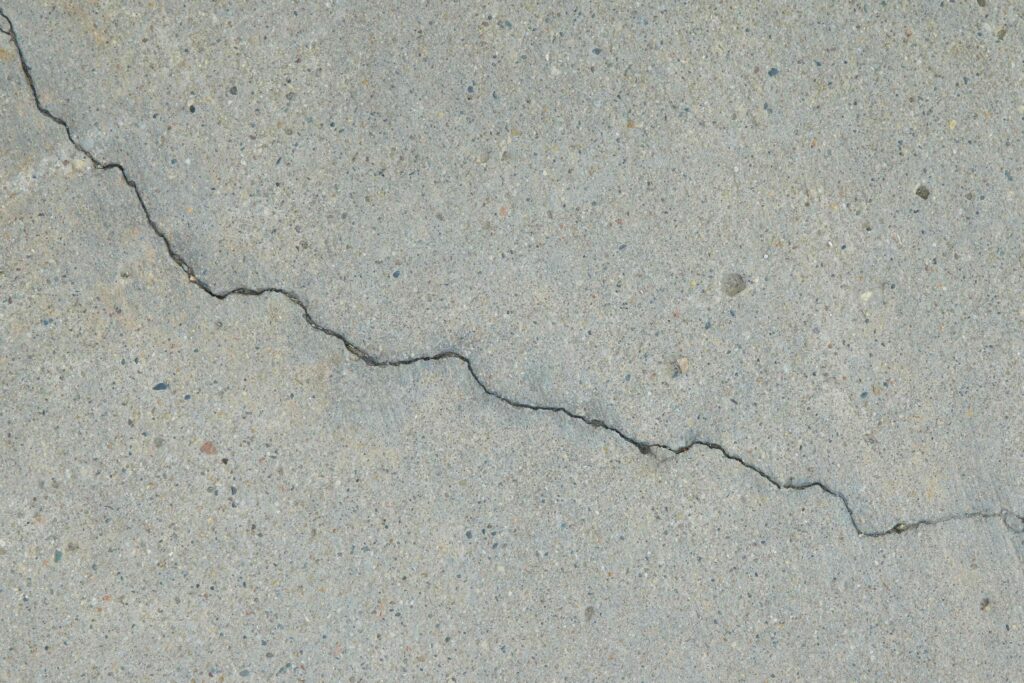
Concrete is a widely used construction material known for its strength and durability. However, one common issue that affects concrete structures, especially walls and slabs, is cracking. Cracks not only compromise the aesthetic appeal of a structure but can also lead to structural problems if left unaddressed. Preventing cracks in concrete requires understanding their causes and implementing proper techniques during and after construction. This blog post will guide you through effective methods to prevent cracks in concrete walls and slabs.
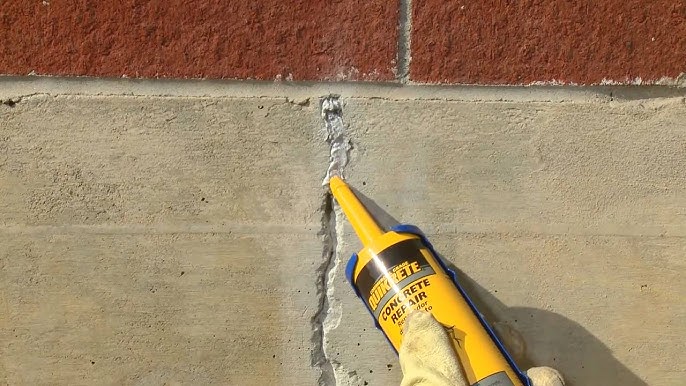
Understanding Why Concrete Cracks
Before diving into prevention techniques, it’s essential to understand why cracks occur in concrete:
- Shrinkage: As concrete dries and cures, it shrinks. This shrinkage can cause tension and lead to cracking.
- Thermal Changes: Concrete expands and contracts with temperature fluctuations, which can cause cracks over time.
- Structural Load: Excessive load or settlement can stress the concrete beyond its capacity.
- Poor Mix or Workmanship: Incorrect water-cement ratio, inadequate curing, or improper placement can weaken concrete.
- Subgrade Movement: Movement or instability in the soil beneath the slab or wall can result in cracking.
How to Prevent Cracks in Concrete Walls and Slabs
1. Use Proper Mix Design
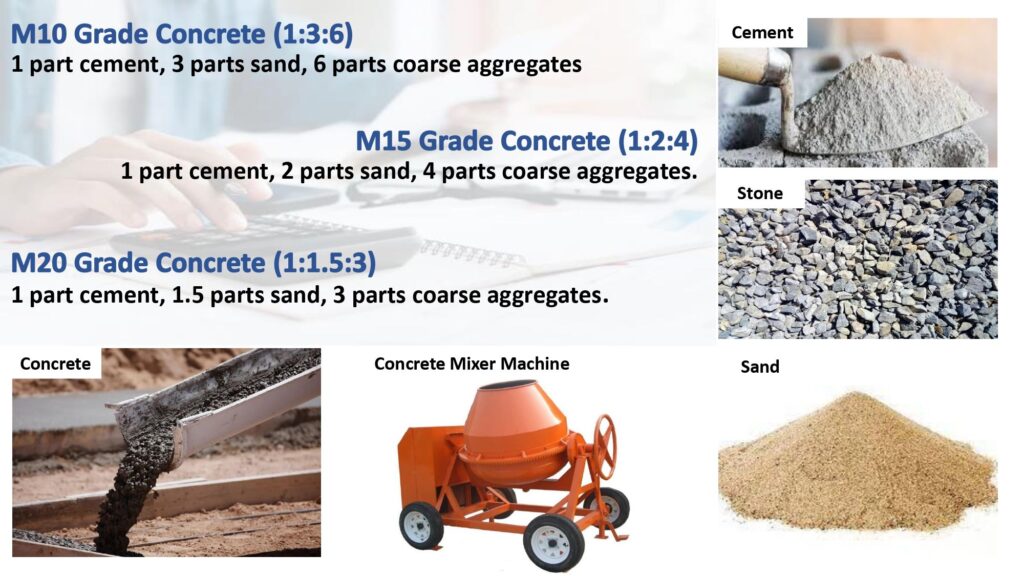
- Correct Water-Cement Ratio: Using too much water weakens concrete and increases shrinkage. Follow recommended ratios for your specific application.
- Add Admixtures: Chemical admixtures like plasticizers, shrinkage reducers, or fibers can improve concrete properties and reduce cracking.
- Use Quality Materials: Ensure the cement, aggregates, and water are clean and of good quality.
2. Prepare the Subgrade Properly
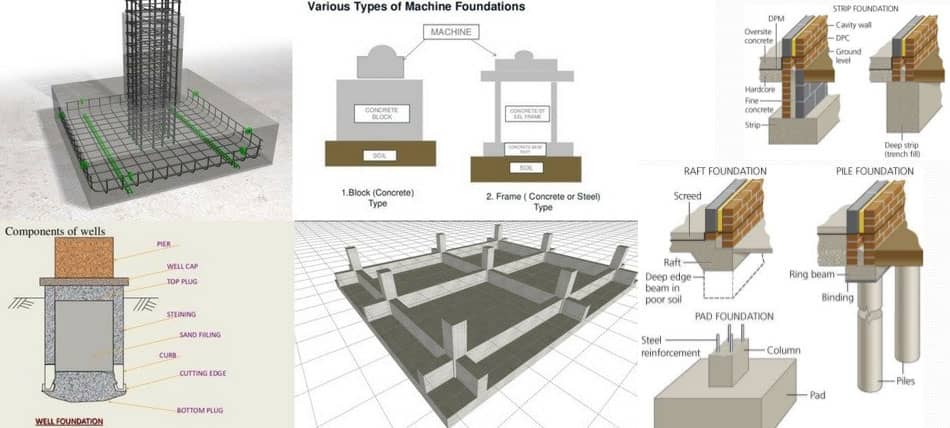
- Compaction: The soil beneath the slab or wall must be well compacted to prevent settling.
- Moisture Control: Avoid placing concrete on overly wet or dry soil to prevent uneven drying and shrinkage.
- Use a Stable Base: Adding a layer of gravel or crushed stone can provide a stable, well-drained base.
3. Control the Placement and Finishing Process
- Avoid Excessive Water: Don’t add water on-site beyond what the mix design specifies.
- Place Concrete Quickly: Delays during placement can cause cold joints, leading to cracks.
- Proper Vibration: Use mechanical vibrators to compact concrete and remove air pockets.
- Avoid Overworking the Surface: Over-troweling can cause a weak surface layer prone to cracking.
4. Implement Jointing Techniques
- Control Joints: These are intentional, planned cracks that allow concrete to shrink without random cracking. Place control joints at intervals recommended by engineers (typically 24 to 36 times the slab thickness).
- Construction Joints: Used when concrete placement is done in stages; they help control cracking between pours.
- Expansion Joints: Allow for thermal expansion and contraction, preventing stress build-up.
5. Cure the Concrete Properly
- Maintain Moisture: Keep the concrete surface moist during curing to reduce shrinkage cracks. Use water spraying, wet coverings, or curing compounds.
- Control Temperature: Avoid extreme temperature changes during curing by protecting concrete from sun, wind, or freezing conditions.
- Cure for Adequate Time: Generally, curing for at least 7 days is recommended for most concrete mixes.
6. Reinforcement and Fiber Addition
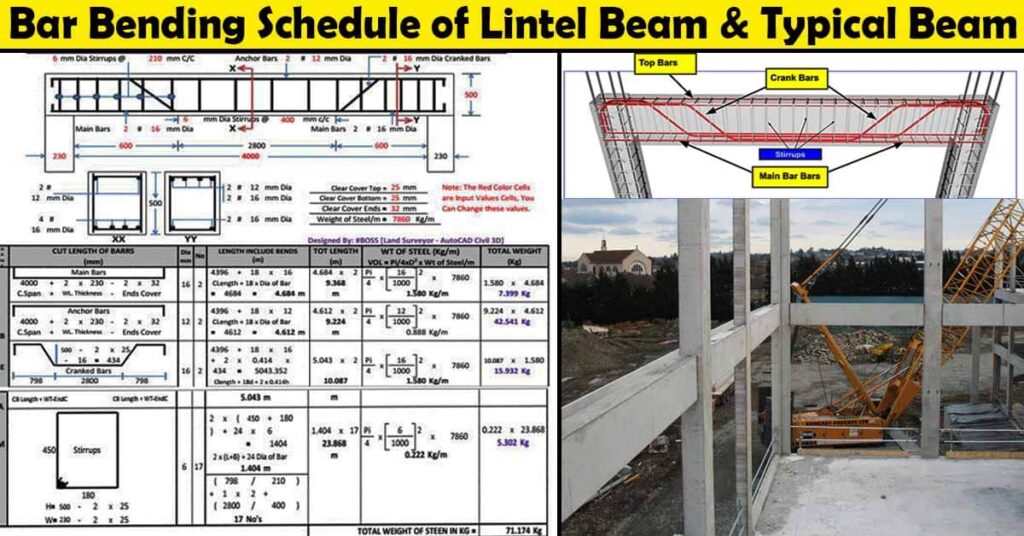
- Use Steel Reinforcement: Rebar or welded wire mesh can distribute stresses and help control crack widths.
- Fiber Reinforcement: Adding synthetic or steel fibers to the concrete mix can improve toughness and reduce shrinkage cracking.
7. Monitor Load and Structural Design
- Avoid Overloading: Ensure that slabs and walls are designed for the expected loads.
- Proper Structural Design: Engage structural engineers to ensure adequate thickness, reinforcement, and support.
Conclusion
Cracks in concrete walls and slabs are a common but preventable problem. By understanding the causes and following best practices—from mix design and subgrade preparation to curing and joint placement—you can significantly reduce the risk of cracking. Proper planning, quality materials, and careful workmanship are key to maintaining the integrity and appearance of your concrete structures for years to come.
Investing time and effort upfront to prevent cracks will save costly repairs and extend the lifespan of your concrete walls and slabs. If you are unsure about any step in the process, consulting with a concrete specialist or structural engineer is always a wise choice.
Stay tuned for more tips on construction and maintenance!