With Coffee, Love is the heart-fluttering summer romance you can’t miss! We review the sweet and sour journey of Ha-min and So-myung, starring Jung Da-Eun and Wi Ha-joon.
There is a specific, nostalgic magic to a summer romance. It is the feeling of the sticky heat on your skin, the clinking of ice cubes in a glass of iced coffee, and the sudden, electric thrill of realizing that a stranger might just be the person you’ve been waiting for.
Korean dramas are masters at capturing this summer magic. And the latest hidden gem to grace our screens, With Coffee, Love, is a perfect example. Starring the incredibly talented Jung Da-Eun as Ha-min and the charismatic Wi Ha-joon as So-myung, this drama tells the “sweet and sour” story of a 26-year-old job-seeker couple who find each other in the most chaotic, humid, and unforgettable summer of their lives.
Today, we are going to dive into the heart of With Coffee, Love. We will explore the characters, the metaphorical depth of the coffee themes, and why this understated romance is one of the most emotionally resonant dramas of the year.
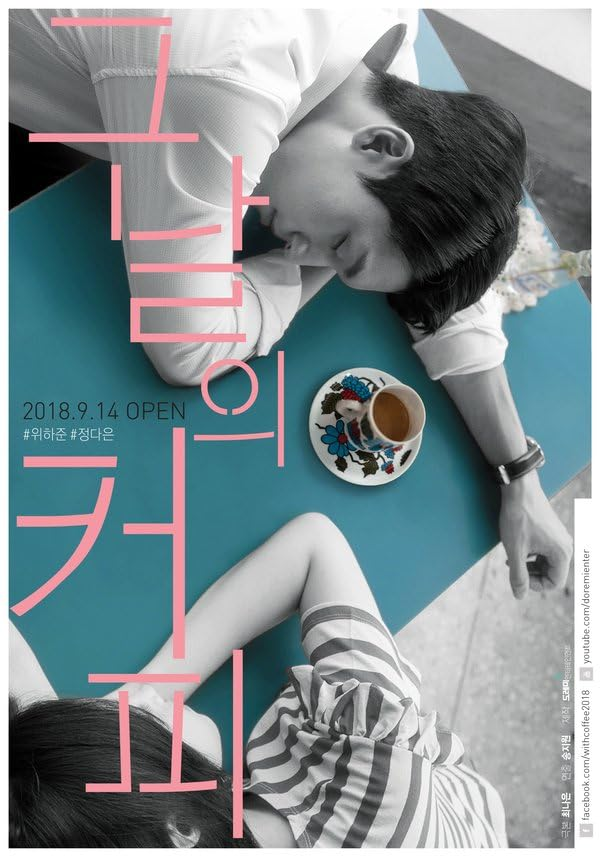
The Premise: A Summer of “Sweet and Sour”
Before we explore the deeper layers, let’s understand the foundation of the story.
The Foundational Story (Spoiler-Free)
Ha-min is a 26-year-old woman who is exhausted by life. She is trapped in the relentless cycle of sending out job applications, attending interviews, and facing rejection after rejection. She is living on instant noodles, anxiety, and very little hope.
Enter So-myung. He is the quiet, mysterious owner of a tiny, hidden coffee shop tucked away in a back alley of Seoul. He doesn’t seem to have a care in the world, yet there is a palpable sadness behind his gentle eyes.
Their story begins with a collision. Ha-min, rushing to an interview, spills a massive iced Americano all over So-myung’s crisp white shirt. It is a mess. It is embarrassing. And it is the most intense, awkward, and fateful meeting either of them has ever had. From that spilled coffee, a summer of “sweet and sour” romance begins to brew.
The “26-Year-Old” Struggle
One of the most refreshing aspects of this drama is its unflinching honesty about the “26-Year-Old Struggle.” In South Korea, turning 26 without a stable corporate job is viewed as a crisis. The drama portrays the sheer exhaustion of Ha-min perfectly. We see her staring at her laptop screen at 2 AM, rewriting the same cover letter for the hundredth time.
This realism grounds the romance. It isn’t just a fairy tale; it is a story about two people trying to survive a very real, very harsh society, and finding solace in each other.
The Cast: The Acting Alchemy That Makes It Work
A drama like this lives and dies by its casting. Fortunately, With Coffee, Love has hit the absolute jackpot.
Jung Da-Eun as Ha-min: The Relatable Everywoman
Jung Da-Eun delivers a performance that is raw, vulnerable, and incredibly relatable. She plays Ha-min not as a glamorous heroine, but as a tired, somewhat cynical, but deeply resilient young woman. You see the bags under her eyes. You hear the trembling in her voice when she receives yet another rejection email.
Yet, Jung Da-Eun also infuses Ha-min with a spark of defiance. You root for her because she refuses to give up, even when the world seems determined to crush her spirit.
Wi Ha-joon as So-myung: The Warm, Mysterious Barista
Wi Ha-joon is perfectly cast as So-myung. He brings a quiet, grounding presence to the screen. So-myung is a man who listens more than he speaks. He watches Ha-min struggle, and he offers her not advice, but space. He offers her a seat in his cool coffee shop and a free drink.
But So-myung is not a blank slate. Wi Ha-joon masterfully peels back the layers of his character, revealing a man who has experienced his own deep loss. He is not just a “coffee shop guy”; he is a survivor, just like Ha-min.
Lee Moo-saeng as The “Third Wheel”
Lee Moo-saeng plays the role of the senior colleague who offers Ha-min a lucrative job. He adds a layer of tension to the drama. He represents the “Safe Option”—a reliable career path that comes with a heavy price. Lee Moo-saeng plays the character with a frustrating charm; he is not a villain, but he is a constant reminder of the societal expectations that Ha-min is trying to escape.
The “Coffee” Metaphor: Brewing Love and Life
The title of the drama is not an accident. Coffee is a central character in this story.
Sweet vs. Sour: The Two Flavors of the Relationship
The drama uses coffee as a metaphor for the relationship itself. The “Sweet” moments—the first innocent glances, the tentative smiles, the shared cups of coffee on a quiet afternoon—are balanced by the “Sour” realities of life. The misunderstandings, the financial pressures, and the sheer exhaustion of the job hunt all add a bitter aftertaste to their romance.
The show beautifully illustrates that real love is not just about the sweet moments; it is about having the courage to drink the “sour” moments together.
The Ritual of Coffee as a Form of Connection
For Ha-min and So-myung, coffee is not just a drink; it is a ritual. So-myung carefully hand-brews each cup of coffee for Ha-min. He treats her like she is worth the time and the effort.
In a world where Ha-min is constantly rushed and undervalued, So-myung’s coffee is a radical act of care. It is his way of saying, “You matter. Slow down.”
The Season of Summer: Heat as a Narrative Device
The director of this drama uses the summer season as a masterful narrative device.
The Oppressive Heat of Seoul
The Seoul summer is notoriously brutal. The humidity is suffocating, the sun is blinding, and the air feels thick and heavy. The director deliberately uses this oppressive heat to mirror the internal state of the characters.
Ha-min is sweating under the weight of her job applications. The heat makes her irritable, anxious, and desperate for a break. The temperature on screen visually represents the pressure cooker of her life.
The Cooling of the Weather / The Warming of the Heart
As the drama progresses and Ha-min and So-myung grow closer, the weather begins to shift. The thunderstorms bring relief. The evenings become cooler.
The physical cooling of the summer parallels the emotional thawing of Ha-min’s heart. The weather tells the story of her emotional state as beautifully as any dialogue.
The “Job-Seeker” Struggle: More Than Just Romance
What elevates With Coffee, Love beyond a standard rom-com is its deep dive into the societal pressure of job hunting.
The Realism of the Job Market
The drama does not gloss over the agonizing process of job hunting in South Korea. We see Ha-min and her friends attending cram schools, taking endless aptitude tests, and obsessing over their GPA.
The show also highlights the financial insecurity of 20-somethings. Ha-min has to choose between buying a coffee or taking the bus. This level of financial anxiety is relatable to young adults all over the world.
Balancing Ambition and Love
The central conflict of the drama is Ha-min’s internal battle between ambition and love. She is torn between the “Safe Option”—the stable, dull corporate job offered by the senior colleague—and the “Risky Option”—following her heart and trusting So-myung’s vision.
This conflict is incredibly realistic. It asks the viewer a difficult question: Would you sacrifice love for security, or security for love?
The Chemistry and The Romance
Slow Burn vs. Instant Attraction
With Coffee, Love is a masterclass in the “Slow Burn” romance. There is no insta-love. Ha-min and So-myung spend hours in silence, just sitting across from each other. The tension builds through lingering glances and the gentle brush of their hands over a sugar cube.
This slow build makes the eventual romance feel earned. You believe in their love because you watched them earn it.
The “Confession” Scene
There is a specific scene in the final episodes that will stay with me for a long time. So-myung, standing in his coffee shop during a thunderstorm, finally admits his feelings to Ha-min.
He says, “Coffee is bitter, but it is always worth the brew. You are worth the wait. You are worth the brew.” It is a simple, poetic, and devastatingly romantic confession that perfectly encapsulates the heart of the drama.
The Supporting Cast and The “Coffee Shop” Environment
The drama creates a beautifully immersive environment.
The Cozy, Cinematic Coffee Shop
The coffee shop where So-myung works is a character in itself. It is a rustic, dimly lit sanctuary filled with wooden shelves, vintage grinders, and the scent of freshly roasted beans. It is the ultimate “hygge” (cozy) space. Watching this drama is like spending 16 hours in the world’s most comfortable cafe.
The Community of Regulars
The regulars who frequent the shop add a layer of warmth and wisdom to the story. There is the elderly lady who always orders a “sweet potato latte” and offers Ha-min life advice. There is the college student who is studying for his bar exam.
These secondary characters remind us that the best love stories are often supported by a community. They provide comedic relief and a gentle reminder that we are not alone in our struggles.
Conclusion: The Perfect Cup of Summer Romance
With Coffee, Love is a warm, comforting, and deeply relatable summer romance. It captures the exhaustion of young adulthood, the terrifying anxiety of the job market, and the quiet, life-saving power of finding a person who truly sees you.
It proves that even in the middle of our most anxious years, love can bloom. It can bloom in the middle of a spilled coffee, a thunderstorm, or a quiet afternoon in a hidden back-alley cafe.
So, brew yourself a cup of your favorite coffee. Pull up a blanket. And let Ha-min and So-myung take you on the sweetest, most heartwarming summer journey of the year.
Now, I want to hear from you. Are you a fan of the “Slow Burn” romance, or do you prefer instant, fiery connections? What is your favorite “coffee shop” drama or movie? Drop your thoughts, your favorite coffee orders, and your K-drama recommendations in the comments below!