Hormones The Series revolutionized Thai television with its authentic portrayal of teenage life, breaking taboos about mental health, sexuality, and class. Discover how this groundbreaking 2013 series changed storytelling, launched careers, and shaped a generation of Thai TV.
Introduction: The Revolution of Thai Teen Television
Before 2013, Thai television dramas primarily followed predictable formulas: lavish historical epics, slapstick comedies, or melodramatic romances featuring established stars. Then came Hormones: The Series – a groundbreaking teen drama that not only captured a generation but fundamentally transformed how Thai television approached storytelling, representation, and social issues.
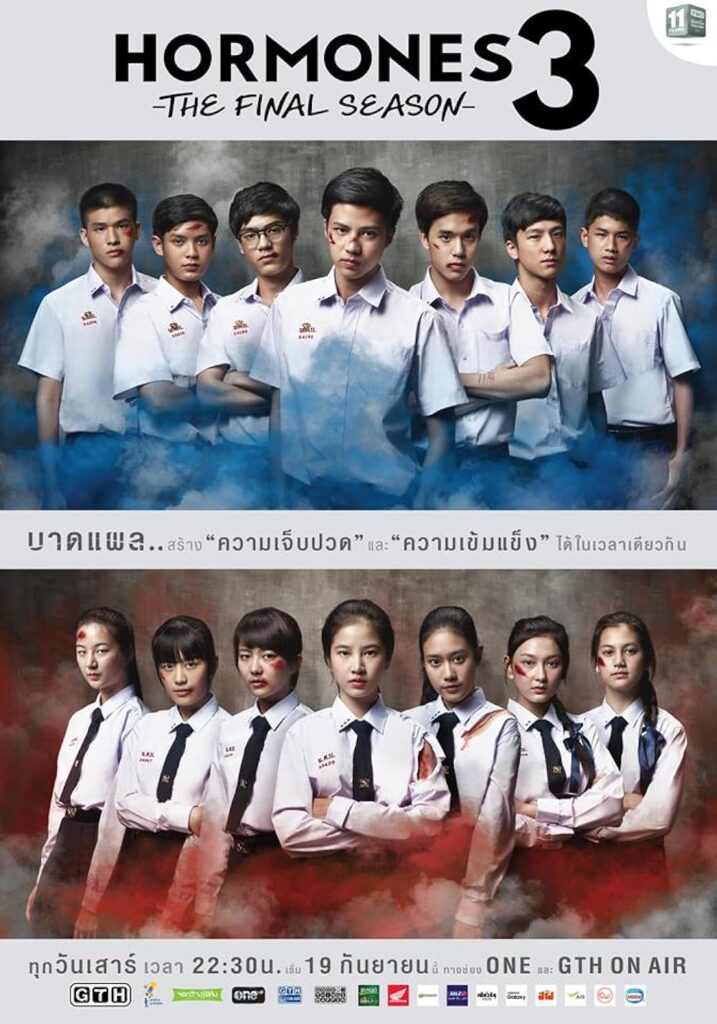
Premiering in 2013 on GMM 25 and later streaming internationally, Hormones didn’t just entertain; it held up a mirror to Thai youth culture with unprecedented authenticity. The series became a cultural touchstone that sparked national conversations about identity, mental health, sexuality, and social inequality.
The Bold Premise: Real Teenagers, Real Problems
Unlike its predecessors, Hormones followed multiple interconnected storylines featuring teenagers from different Bangkok schools, each grappling with issues rarely depicted on mainstream Thai television:
- Complicated sexual identity and same-sex relationships
- Teen pregnancy and reproductive rights
- Academic pressure and parental expectations
- Class conflict between privileged and working-class youth
- Mental health struggles including depression and anxiety
- Artistic ambition versus practical career paths
The series was revolutionary in its refusal to provide easy moral answers. Characters made mistakes, faced consequences, and grew in messy, non-linear ways that reflected real adolescent experiences.
Cultural Impact: Breaking Taboos & Starting Conversations
1. LGBTQ+ Representation Revolution
Hormones featured Thai television’s first sustained, nuanced portrayal of same-sex relationships. The relationship between Tar (Prachaya Ruangroj) and Phu (Supassara Thanachat) wasn’t treated as sensational or tragic but as a natural part of the teen experience. This representation coincided with – and arguably accelerated – Thailand’s growing openness toward LGBTQ+ issues.
2. Mental Health Discourse
Characters like Sprite (Sutatta Udomsilp) dealing with depression and self-harm brought mental health discussions into mainstream entertainment. The show portrayed therapy positively and showed characters seeking professional help – a significant step in a culture where mental health was often stigmatized.
3. Class Consciousness
The series deliberately contrasted students from elite international schools with those from vocational schools, examining how socioeconomic status shapes educational opportunities, social mobility, and personal relationships in Thai society.
4. Sexual Agency and Education
Hormones presented teenage sexuality as complex terrain where desire, curiosity, consent, and consequences coexisted. Rather than moralizing, it showed characters navigating relationships and intimacy with varying degrees of maturity and preparation.
Production Innovation: The New Thai TV Formula
Cinematic Quality
With film-quality cinematography, naturalistic lighting, and location shooting across Bangkok, Hormones looked different from typical studio-bound Thai dramas. The visual style influenced a generation of subsequent series.
Ensemble Storytelling
The multi-narrative structure, with 6-8 parallel storylines per season, allowed for richer world-building and prevented simplistic hero/villain dichotomies. This approach has since become standard for teen-oriented Thai series.
Music Integration
The series’ soundtrack featuring Thai indie artists became a cultural phenomenon in itself, launching music careers and creating perfect emotional synchronicity between narrative and song.
Seasonal Format
Adopting a 13-episode seasonal structure rather than open-ended daily episodes allowed for tighter storytelling and character development – a format now common among premium Thai content.
The Cast: Launching a Generation of Stars
Hormones launched or significantly boosted the careers of virtually its entire ensemble:
- Prachaya Ruangroj (Saint) became one of Thailand’s most sought-after actors
- Sutatta Udomsilp (Punpun) transitioned to film stardom and critical acclaim
- Chutavuth Pattarakampol (March) became a leading man across multiple genres
- Supassara Thanachat (Belle) developed into a versatile dramatic actress
- Sirachuch Chienthaworn (Michael) established himself as a reliable character actor
The cast’s chemistry felt authentic because many were actually teenagers during filming, creating a genuine peer dynamic rarely achieved with older actors playing younger roles.
Social Media Integration: Changing Viewer Engagement
Hormones pioneered social media integration in Thai television:
- Real-time episode discussions on Twitter during broadcasts
- Character-specific social media accounts that extended the narrative
- Behind-the-scenes content that built parasocial relationships
- Fan-driven story speculation that influenced cultural conversation
This approach created unprecedented engagement, particularly among younger viewers, and demonstrated how television could exist as both scheduled broadcast and continuous digital conversation.
Legacy and Influence on Contemporary Thai TV
Genre Expansion
Hormones proved that teen dramas could tackle serious themes while remaining commercially successful, paving the way for series like:
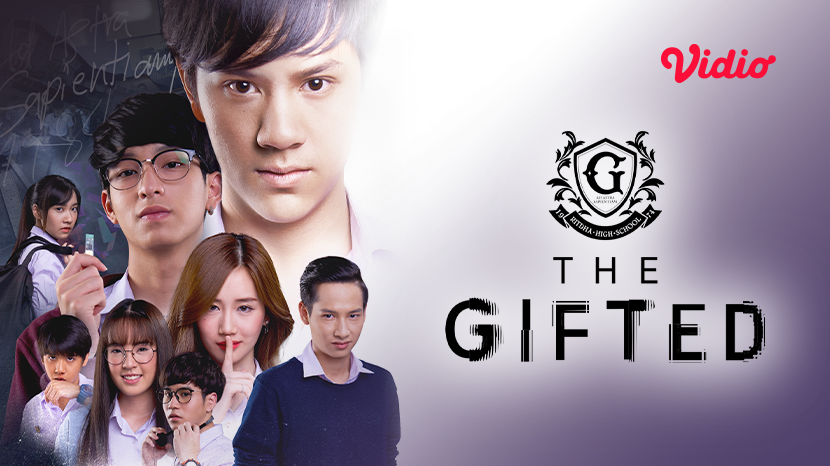
- The Gifted (academic competition with supernatural elements)
- I Told Sunset About You (nuanced LGBTQ+ romance)
- Girl From Nowhere (social critique through anthology format)
Streaming Service Influence
The series’ success demonstrated the market for youth-oriented content, directly influencing the programming strategies of emerging streaming platforms like Viu, Netflix Thailand, and TrueID.
International Recognition
Hormones developed a substantial international following through streaming, proving that Thai content could travel beyond traditional diaspora audiences when it offered universal themes with local specificity.
Industry Practices
The series’ workshop-based casting process, collaborative writing room, and director rotation system have been adopted by numerous subsequent productions seeking similar authenticity.
Controversies and Limitations
Despite its groundbreaking status, Hormones faced criticism:
- Class perspective limitations: Some argued it still centered privileged experiences
- Commercial constraints: Product placement sometimes disrupted narrative flow
- Uneven representation: While progressive for its time, some characterizations now feel dated
- Censorship challenges: The series occasionally navigated content restrictions through implication rather than explicit depiction
These limitations themselves became part of the conversation about what Thai television could and couldn’t show, pushing boundaries incrementally rather than radically.
Conclusion: The Unignorable Watershed
Hormones: The Series represents a watershed moment in Thai television history – the point where youth culture stopped being merely a subject for adult creators to interpret and became a voice speaking for itself. It demonstrated that teenagers deserved stories as complex as their lives, that social issues could drive narrative as effectively as romance, and that authenticity could be commercially viable.
The series didn’t just change what Thai television could talk about; it changed who television was talking to and how those conversations happened. In giving a generation of Thai youth their reflection on screen – flawed, searching, and beautifully human – Hormones didn’t just capture a moment; it helped shape the cultural identity that would define Thailand’s coming decade.
Its true legacy is visible every time a new Thai series tackles a previously taboo subject, centers marginalized voices, or trusts its young audience with complicated truths. In that sense, Hormones didn’t just change Thai TV once – it changed the standard by which all subsequent Thai television would be measured.