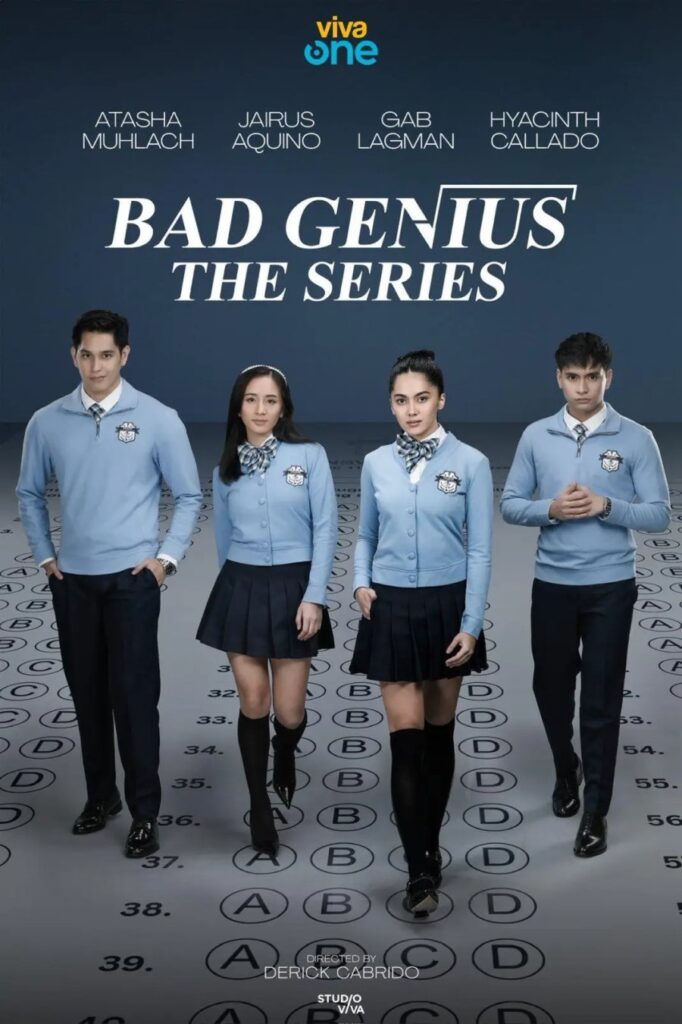
Bad Genius: The Series (2020) is the television adaptation of the massively successful 2017 Thai film of the same name. While the film focused primarily on a single heist, the series expands the universe into 13 episodes, delving deeper into character psychology, adding new plotlines, and exploring the systemic pressures that drive academic dishonesty. The series became a critical and commercial success, praised for its tension-filled storytelling and social commentary.
Series Overview
Title: Bad Genius: The Series
Thai Title: แย่งกันเฟี้ยว ผิดกติกา เรื่องจริงเสียวจนขนลุก
Based on: 2017 film by Nattawut Poonpiriya
Original Network: GMM 25, LINE TV
Episodes: 13
Genre: Thriller, Drama, Teen, Crime
Release: August 3 – October 26, 2020
Main Cast & Characters
The Core Academic “Geniuses”:
- Chimon Wachirawit as Bank – The moral center turned reluctant mastermind
- Pattie Ungsumalynn as Lynn – Ambitious scholarship student who sees cheating as equalizing
- Nanon Korapat as Pat – Charismatic rich kid who finances the operations
- Juné Plearnpichaya as Grace – Sweet-natured but academically struggling
The Antagonists & Supporting Roles:
- Foei Patara as Teacher Tle – The suspicious, eagle-eyed instructor
- Sing Harit as Superintendent – School authority figure
- Various classmates representing different social classes and moral alignments
Expanded Story Summary
Episode 1-4: The Genesis of Genius
The series opens by establishing the class divide at an elite private school. Lynn, a scholarship student from a modest background, befriends Grace, a wealthy but academically struggling classmate. When Lynn helps Grace cheat on a simple exam, she discovers both the financial rewards and moral compromises involved.
Meanwhile, Bank, another scholarship student, maintains rigid academic integrity despite his family’s financial struggles. Pat, a charismatic rich kid, recognizes the potential business in organized cheating and recruits Lynn.
Episode 5-8: The System Expands
What begins as individual help evolves into a sophisticated cheating syndicate. Using piano sheet music as coded answers, covert bathroom breaks, and strategic seating arrangements, the team develops increasingly elaborate methods.
Bank is reluctantly drawn in after his mother’s financial crisis, creating the central moral tension: his desperate circumstances versus his ethical principles.
Episode 9-11: The International Heist
The series’ climax mirrors the film’s most famous sequence: the STIC international exam heist. The team travels to Sydney to take the exam during Thailand’s timezone advantage, memorizing answers, and transmitting them back home through covert means.
This section masterfully builds tension as the characters navigate airport security, exam hall surveillance, and their own paranoia.
Episode 12-13: Consequences & Resolution
The aftermath explores the psychological toll rather than just legal consequences. Relationships fracture under guilt and suspicion. Each character faces their motivations: was it about money, equality, or something deeper?
The finale offers a more nuanced conclusion than the film, focusing on redemption paths and whether systemic change is possible.
Key Themes Explored
1. Educational Inequality
The series digs deeper than the film into how socioeconomic status determines educational outcomes. Scholarship students face immense pressure to maintain grades while working jobs, while wealthy students can buy advantages.
2. Moral Ambiguity
Characters exist in shades of gray. Lynn’s cheating is framed as rebellion against an unfair system. Bank’s participation stems from filial duty rather than greed. The series asks: In an unethical system, are unethical means justified?
3. Capitalism in Education
The cheating ring operates as a mirror of capitalism – identifying market needs, creating products (answers), managing risk, and maximizing profit. The students become entrepreneurs in the shadow economy their school created.
4. Friendship & Betrayal
Personal relationships complicate the enterprise. Loyalty conflicts with self-preservation, romantic feelings interfere with business, and class differences create underlying tensions.
5. Adult Complicity
The series implicates teachers, parents, and administrators in creating the pressure-cooker environment. Adults either turn a blind eye to cheating among wealthy students or enforce draconian measures that encourage rebellion.
What Makes the Series Unique
Expanded Character Arcs
While the film focused primarily on Lynn’s perspective, the series gives equal weight to Bank’s moral struggle, Pat’s entrepreneurial ambition, and Grace’s internal conflict between privilege and helplessness.
Multiple Heist Sequences
Each exam becomes its own tense set-piece with unique challenges:
- The silent pencil-tapping code
- The bathroom-break information exchange
- The shoe-based answer transmission
- The international time-zone exploit
Social Commentary Depth
Episodes include subplots about:
- School donation quotas affecting admissions
- Tutor industry exploiting exam anxiety
- Parental pressure leading to student suicide
- The class bias in disciplinary actions
Cinematic Production Values
Despite being a series, it maintains film-quality cinematography, tight editing, and a pulsating score that enhances tension during exam sequences.
Critical Review
Strengths:
1. Performances
- Chimon Wachirawit delivers a standout performance as Bank, portraying moral anguish with subtlety
- Nanon Korapat brings surprising depth to what could have been a shallow rich-kid stereotype
- The ensemble chemistry feels authentic, particularly in high-stakes scenes
2. Pacing & Tension
The 13-episode format allows for character development without sacrificing thriller elements. Each episode ends with a cliffhanger that feels earned rather than manipulative.
3. Modern Relevance
Released during global conversations about remote learning and exam integrity during COVID-19, the series felt particularly timely in its exploration of how assessment systems can be gamed.
4. Ethical Complexity
The series refuses easy judgments. Viewers find themselves simultaneously rooting for the cheaters to succeed and wanting them to get caught—a testament to nuanced writing.
Weaknesses:
1. Some Plot Contrivances
Certain schemes require suspension of disbelief, particularly the international heist logistics. However, this aligns with the series’ slightly heightened reality.
2. Supporting Character Underdevelopment
Some secondary characters, particularly the adult figures, remain one-dimensional compared to the central quartet.
3. Familiar Territory for Film Viewers
Those who saw the film may find the first half predictable, though the series diverges significantly in later episodes.
4. Occasional Melodrama
A few emotional scenes tip into exaggeration, though generally the tone remains grounded.
Comparison: Series vs. Film
| Aspect | Film (2017) | Series (2020) |
|---|---|---|
| Length | 2 hours | 13 episodes (~10 hours) |
| Focus | The heist mechanics | Character psychology & systemic issues |
| Perspective | Primarily Lynn’s | Ensemble, equal focus |
| Ending | Ambiguous, open | More conclusive with character resolutions |
| Social Commentary | Present but subtle | Explicit and expanded |
| Style | Tight thriller | Thriller-drama hybrid |
The series works as both a faithful adaptation and a substantial expansion, offering enough new material to justify its existence beyond the film.
Cultural Impact & Legacy
Academic Integrity Discussions
The series sparked national conversations in Thailand about:
- Exam security protocols
- Pressure on scholarship students
- Ethical education reform
- The commercial tutoring industry
International Recognition
Available with subtitles on multiple platforms, the series gained an international following, particularly among students who identified with the academic pressure depicted.
Award Recognition
- Won Best Television Series at several Thai awards
- Chimon Wachirawit received Best Actor nominations
- Praised for screenplay adaptation and editing
Genre Influence
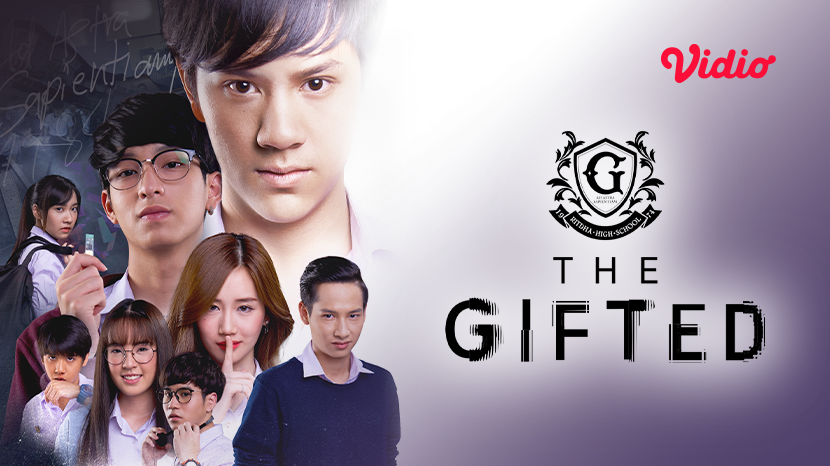
Proved that Thai youth-oriented content could tackle serious social issues while maintaining entertainment value, influencing subsequent series like The Gifted and Girl From Nowhere.
Who Should Watch?
Perfect For:
- Fans of heist thrillers with intellectual stakes
- Viewers interested in social issue dramas
- Those who enjoyed the film and want deeper exploration
- Students and educators reflecting on academic systems
- Lovers of tense, well-paced storytelling
May Not Appeal To:
- Those seeking light entertainment (it’s quite intense)
- Viewers uncomfortable with moral ambiguity
- Anyone expecting pure action (it’s psychological tension)
Final Verdict & Rating
Rating: ⭐⭐⭐⭐½ (4.5/5)
Bad Genius: The Series succeeds not just as an adaptation but as a standalone achievement in Thai television. It takes the film’s compelling premise and expands it into a richer exploration of character, society, and ethics.
The series balances edge-of-your-seat tension during exam sequences with thoughtful drama in quieter moments. Its greatest strength is making viewers care deeply about characters making questionable choices, then confronting us with the consequences of those choices.
While not every narrative risk pays off equally, the overall execution is remarkably confident for a series adaptation of a beloved film. It respects its source material while confidently carving its own identity.
Where to Watch (2026 Update)
- Netflix Thailand (with English subtitles)
- GMMTV YouTube channel (selected regions)
- Viu across Southeast Asia
- Amazon Prime in certain territories
Note: Availability varies by region due to licensing agreements.
Similar Series Recommendations
If you enjoyed Bad Genius: The Series, try:
- The Gifted (Thai, 2018) – Supernatural abilities as metaphor for academic pressure
- Girl From Nowhere (Thai, 2018-2021) – Darker take on educational corruption
- Class of Lies (Korean, 2019) – Murder mystery in elite academy setting
- How to Get Away with Murder (US, 2014-2020) – Adult version of academic ethics dilemmas
- 3 Will Be Free (Thai, 2019) – Different genre but similar tension and moral complexity
Bottom Line: Bad Genius: The Series is a tense, smart, and socially relevant thriller that expands brilliantly on its source material. It entertains while provoking important questions about education, inequality, and ethics—a rare combination executed with style and substance. Whether you’ve seen the film or not, this series stands as one of the best Thai dramas of the early 2020s.