Getting a good night’s sleep is essential for maintaining your physical health, mental clarity, and emotional well-being. However, many people struggle with falling asleep, staying asleep, or waking up feeling rested. If you find yourself tossing and turning or waking up groggy, this guide will provide you with practical, science-backed tips to help you sleep better every night.
Why is Sleep Important?
Sleep affects nearly every system in the body. It helps with memory consolidation, immune function, metabolism, and mood regulation. Chronic sleep deprivation is linked to a higher risk of heart disease, diabetes, obesity, and depression. Prioritizing quality sleep is one of the best things you can do for your overall health.
Tips for Better Sleep Every Night
1. Stick to a Consistent Sleep Schedule
Go to bed and wake up at the same time every day, even on weekends. This helps regulate your body’s internal clock and can improve the quality of your sleep.
2. Create a Relaxing Bedtime Routine
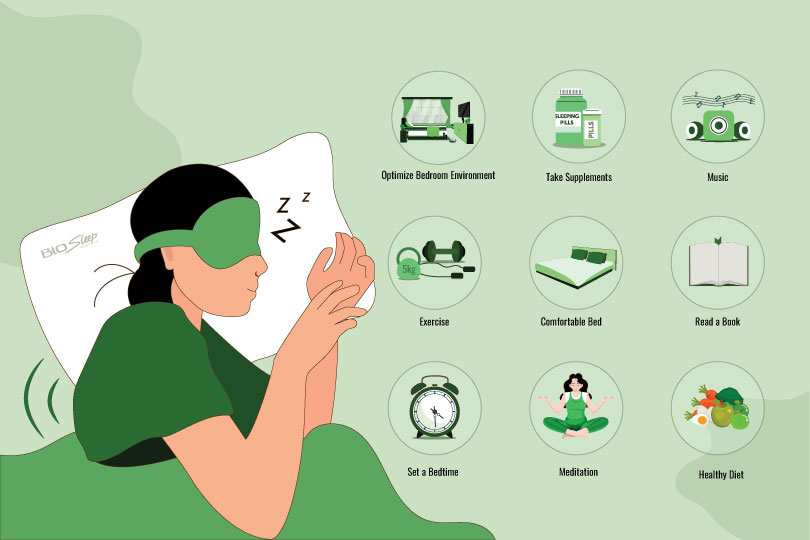
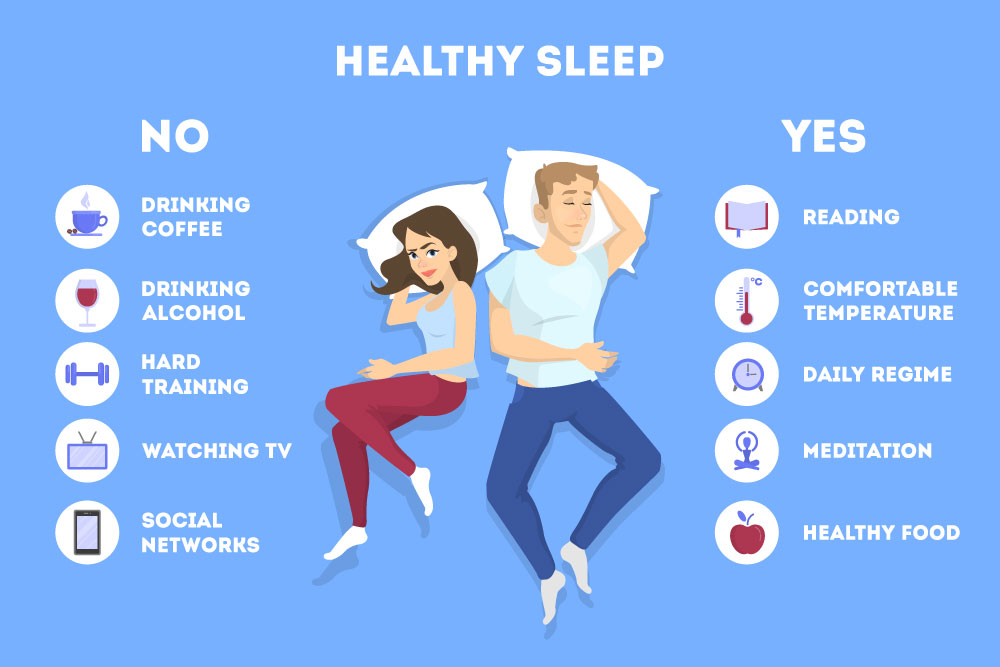
Establish calming activities before bed such as reading a book, taking a warm bath, or practicing gentle yoga or meditation. Avoid stimulating activities like watching action-packed TV shows or scrolling through social media.
3. Make Your Sleep Environment Comfortable
Your bedroom should be cool, quiet, and dark. Invest in a comfortable mattress and pillows. Consider blackout curtains, white noise machines, or earplugs if needed to block out disturbances.
4. Limit Exposure to Screens Before Bed
The blue light emitted by phones, tablets, and computers can interfere with your body’s production of melatonin, the hormone that regulates sleep. Try to avoid screens at least an hour before bedtime.
5. Be Mindful of What You Eat and Drink
Avoid large meals, caffeine, and alcohol close to bedtime. Caffeine and nicotine are stimulants that can keep you awake, and while alcohol might make you feel sleepy initially, it disrupts sleep later in the night.
6. Get Regular Exercise
Physical activity during the day can help you fall asleep faster and enjoy deeper sleep. However, try not to exercise too close to bedtime as it may have the opposite effect for some people.
7. Manage Stress and Anxiety
Stress is a major sleep disruptor. Techniques such as journaling, mindfulness meditation, deep breathing exercises, and progressive muscle relaxation can help calm your mind before bed.
8. Limit Naps During the Day
If you need to nap, aim for no more than 20-30 minutes early in the afternoon. Long or late naps can interfere with your nighttime sleep.
9. Seek Professional Help if Needed
If you consistently have trouble sleeping despite making lifestyle changes, you may have a sleep disorder such as insomnia, sleep apnea, or restless legs syndrome. Consult a healthcare provider or a sleep specialist for proper diagnosis and treatment.
Conclusion
Improving your sleep habits can have a profound impact on your health and quality of life. By creating a consistent sleep schedule, optimizing your bedroom environment, managing stress, and making mindful lifestyle choices, you can enjoy restful, restorative sleep night after night. Start incorporating these tips today and wake up feeling refreshed and energized tomorrow!