Formwork is an essential component in the construction industry, playing a crucial role in shaping and supporting concrete until it gains enough strength to support itself. Understanding formwork, its types, and uses is vital for anyone involved in construction projects.

What Is Formwork?
Formwork refers to the temporary or permanent molds into which concrete or similar materials are poured to achieve the desired shape and structure. It acts as a supportive framework that holds the wet concrete in place until it hardens and attains sufficient strength to carry the load.
Formwork must be strong and rigid enough to withstand the weight and pressure of freshly poured concrete, as well as environmental factors such as wind and vibrations during the curing process. Proper design and installation of formwork ensure structural integrity, safety, and quality of the finished concrete element.

Types of Formwork
There are several types of formwork used in construction, each suited for different applications and materials. The primary types include:
1. Timber Formwork
Timber formwork is the most traditional type, made from wooden planks and plywood sheets. It is easy to fabricate and modify on-site, making it suitable for small projects or custom shapes. However, timber formwork has a shorter lifespan and may not be as dimensionally stable as other materials.
2. Steel Formwork
Steel formwork is made from steel panels and sections, offering high strength and durability. It is reusable and suitable for repetitive use in large-scale projects. Steel formwork provides a smooth finish to concrete surfaces and is resistant to warping and damage.
3. Aluminum Formwork
Aluminum formwork is lightweight and easy to handle compared to steel. It is commonly used in projects requiring quick assembly and dismantling. Aluminum formwork also offers good durability and a smooth finish but may be more expensive than timber.
4. Plastic Formwork
Plastic formwork consists of modular panels made from high-strength plastic materials. It is lightweight, reusable, and resistant to water and chemicals. Plastic formwork is ideal for simple geometries and small to medium-sized projects.
5. Modular or System Formwork
Modular formwork systems are prefabricated and standardized components that can be assembled quickly. These systems, made from steel, aluminum, or plastic, save time and labor costs. They are widely used in commercial and residential construction.
6. Fabric Formwork
Fabric formwork uses flexible fabric membranes to shape concrete. It allows for innovative and complex shapes that are difficult to achieve with rigid formwork. This technique is gaining popularity in architectural and artistic concrete applications.
Uses of Formwork in Construction
Formwork is used in various construction activities, including:
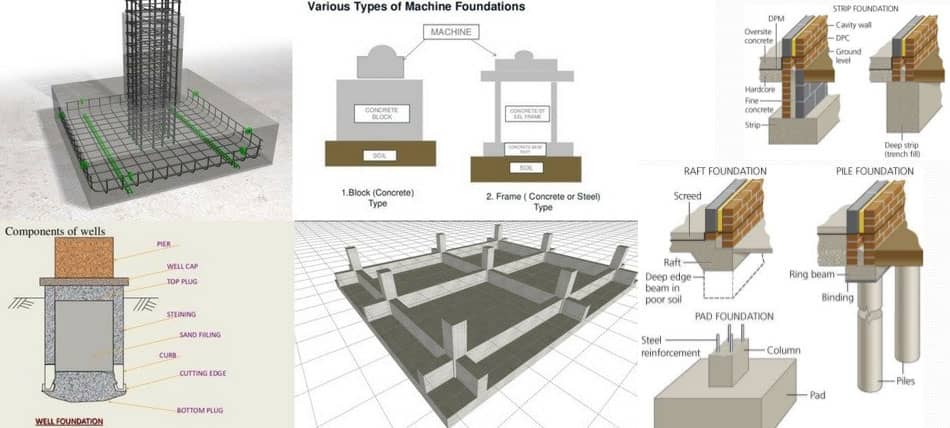
- Foundations: To shape footings and foundation walls.
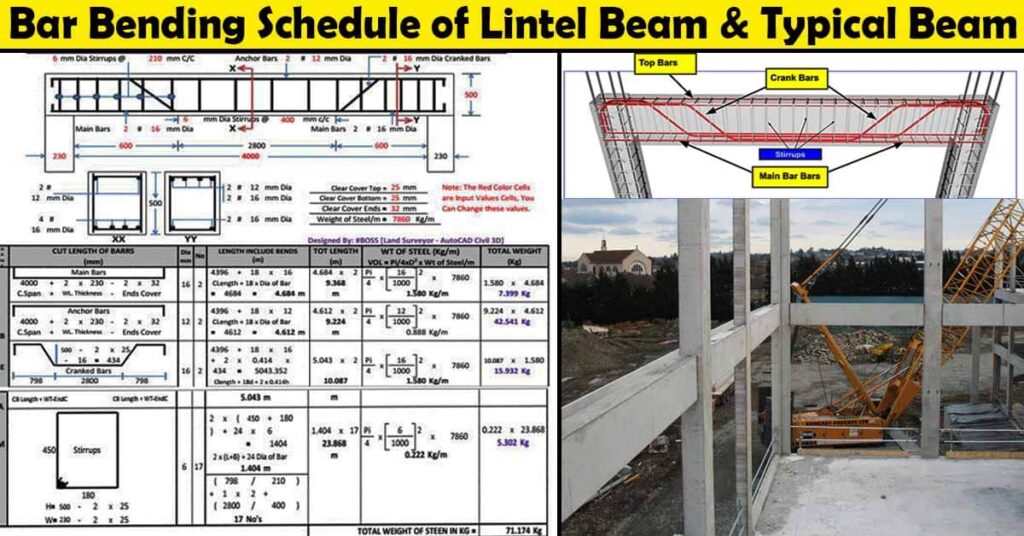
- Columns and Beams: To create vertical and horizontal structural elements.
- Slabs and Floors: To support slab concrete during pouring and curing.
- Walls: To mold both load-bearing and non-load-bearing walls.
- Bridges and Tunnels: For complex shapes and large-scale infrastructure.
- Architectural Features: For decorative concrete elements and unique designs.
Conclusion
Formwork is a fundamental part of the construction process, enabling builders to create durable and precisely shaped concrete structures. Choosing the right type of formwork depends on the project’s scale, complexity, budget, and desired finish. With advancements in materials and technology, formwork continues to evolve, offering more efficient and sustainable solutions for the construction industry.