Understanding structural drawings is essential for architects, engineers, contractors, and construction professionals. These drawings are the backbone of any construction project, detailing the structural elements that ensure the safety and stability of a building. This comprehensive guide will walk you through the process of reading structural drawings step-by-step, with references to key architecture and engineering books that enrich your understanding.
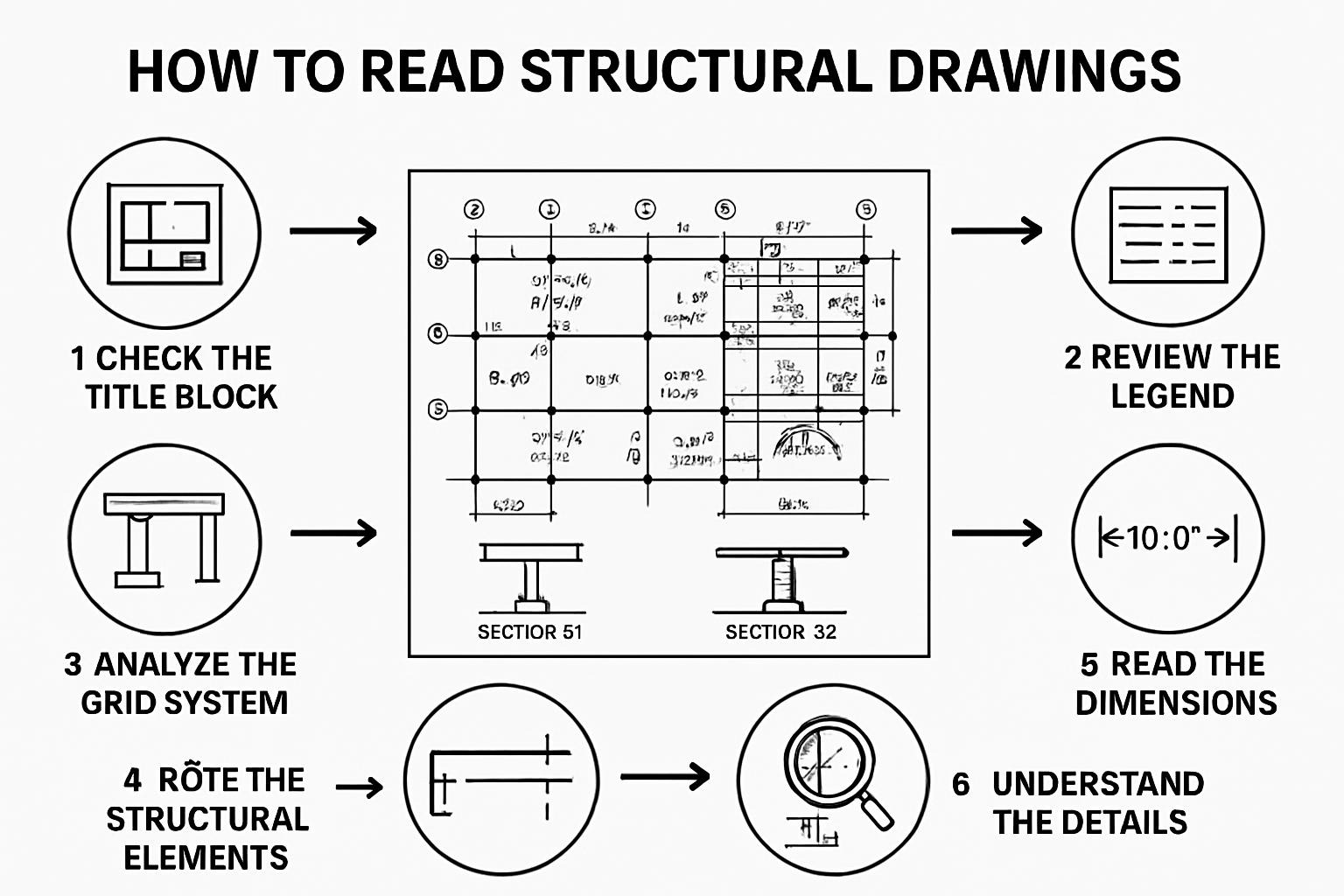
Table of Contents
- Introduction to Structural Drawings
- Importance of Structural Drawings in Construction
- Types of Structural Drawings
- Tools Required to Read Structural Drawings
- Step-by-Step Guide to Reading Structural Drawings
- Step 1: Understand the Title Block and Drawing Index
- Step 2: Familiarize Yourself with Drawing Symbols and Legends
- Step 3: Review the General Notes and Specifications
- Step 4: Analyze the Foundation Plan
- Step 5: Examine the Floor Framing Plans
- Step 6: Interpret the Structural Details
- Step 7: Study the Sections and Elevations
- Step 8: Cross-Referencing Between Drawings
- Common Challenges and How to Overcome Them
- Recommended Books for Further Learning
- Conclusion
1. Introduction to Structural Drawings
Structural drawings are technical documents that illustrate the framework of a building or other construction projects. They provide detailed instructions on how the structure should be built to withstand loads, forces, and environmental conditions. Unlike architectural drawings, which focus on aesthetics and space planning, structural drawings emphasize the integrity and safety of the structure.
2. Importance of Structural Drawings in Construction
Structural drawings serve as a guide for contractors and construction teams to correctly fabricate and assemble structural components. They help ensure compliance with building codes and standards, prevent costly mistakes, and facilitate communication among architects, engineers, and builders.
3. Types of Structural Drawings
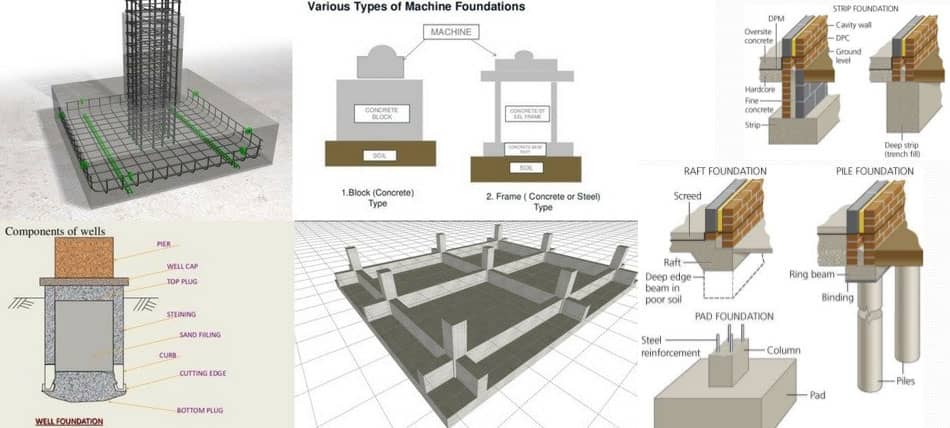
- Foundation Plans: Depict the layout and details of footings, piles, and foundation walls.
- Framing Plans: Show the arrangement of beams, joists, columns, and slabs.
- Detail Drawings: Provide enlarged views of specific structural components such as beam-column connections, reinforcements, and joints.
- Sections and Elevations: Illustrate vertical cuts through the building to reveal hidden structural elements.
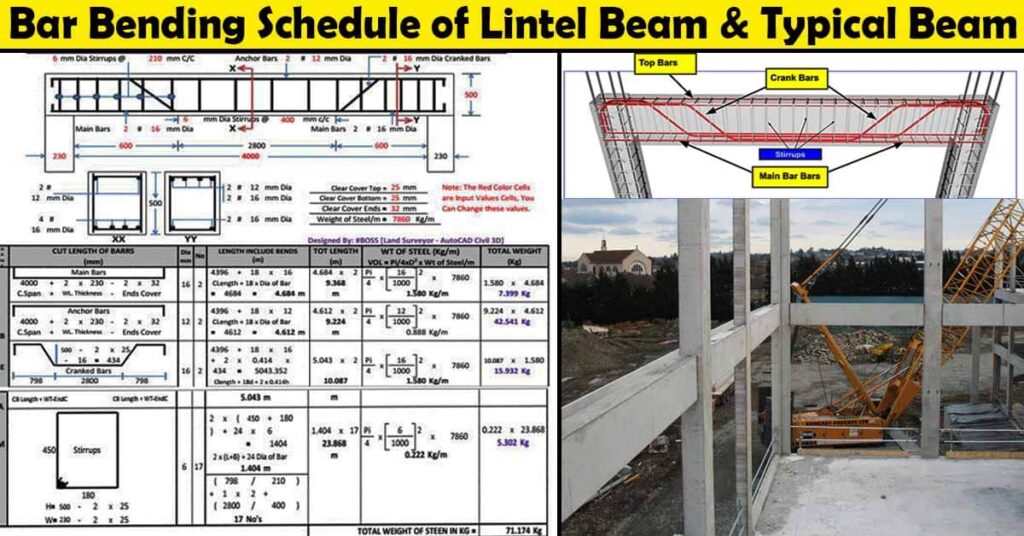
- Schedules: Tables listing sizes, quantities, and specifications of structural elements.
4. Tools Required to Read Structural Drawings
- Scale ruler (architectural and engineering scales)
- Highlighters and colored pens
- Calculator
- Structural engineering reference books
- Digital tools: PDF readers with markup, CAD software for 3D visualization
5. Step-by-Step Guide to Reading Structural Drawings
Step 1: Understand the Title Block and Drawing Index
The title block is usually located at the bottom right corner of the drawing sheet. It contains critical information such as:
- Project name and location
- Drawing title and number
- Scale used
- Date and revision history
- Names of the architect, structural engineer, and drafter
The drawing index or sheet list provides an overview of all drawings in the set and their sequence. Start by reviewing this to know what drawings are available.
Step 2: Familiarize Yourself with Drawing Symbols and Legends
Structural drawings use a variety of symbols to represent different components:
- Lines indicating beams, columns, walls, and slabs
- Symbols for welds, bolts, and reinforcement
- Notations for material types and sizes
Consult the legend on the drawing or refer to standard symbol charts (e.g., AISC, ACI manuals) to decode these symbols.
Step 3: Review the General Notes and Specifications
General notes give project-specific instructions and code requirements. Specifications detail materials, workmanship standards, and testing protocols. Understanding these will clarify design intent and constraints.
Step 4: Analyze the Foundation Plan
Start with the foundation plan to understand how the building’s load is transferred to the ground. Look for:
- Footing sizes and locations
- Types of foundation systems (spread footings, piles, mat foundations)
- Reinforcement details and depths
Step 5: Examine the Floor Framing Plans
Floor framing plans show the layout of beams, girders, joists, slabs, and columns for each floor:
- Identify beam sizes and spacing
- Note slab thickness and reinforcement patterns
- Check column locations and types
Step 6: Interpret the Structural Details
Details are critical for understanding complex connections and assemblies:
- Beam-to-column connections
- Reinforcement splicing and anchorage
- Expansion joints and bearings
These drawings often include section cuts and enlarged views.
Step 7: Study the Sections and Elevations
Sections provide vertical views through the structure, revealing hidden elements like slab thickness, beam depths, and foundation embedment.
Elevations show the external or internal faces of the structure, useful for understanding the height and alignment of structural members.
Step 8: Cross-Referencing Between Drawings
Effective reading requires correlating information from various drawings:
- Match footing locations from the foundation plan with details
- Verify beam sizes on framing plans with detail sheets
- Confirm reinforcement from notes with section cuts
Cross-referencing ensures consistency and completeness.
6. Common Challenges and How to Overcome Them
- Overwhelming detail: Break down the drawings into manageable sections.
- Inconsistent notation: Standardize symbols and terms by consulting reference manuals.
- Lack of cross-references: Use markups to link related drawings.
- Technical jargon: Use structural engineering glossaries and textbooks.
7. Recommended Books for Further Learning
“Structures: Or Why Things Don’t Fall Down” by J.E. Gordon
An accessible introduction to structural principles with practical explanations.
“Building Construction Illustrated” by Francis D.K. Ching
Combines architecture and structure with clear illustrations.
“Structural Engineering Reference Manual” by Alan Williams
Comprehensive guide for engineering fundamentals and exam preparation.
“Reinforced Concrete Structures” by David Fanella
In-depth coverage of concrete design and detailing.
“Steel Design” by William T. Segui
Detailed explanation of steel structural systems and design.
“Architectural Graphics” by Francis D.K. Ching
Useful for understanding graphical representation of structures.
8. Conclusion
Mastering the skill of reading structural drawings is vital for anyone involved in construction. It requires patience, practice, and a systematic approach. By following the step-by-step guide and supplementing your learning with authoritative texts, you will gain the confidence to interpret structural drawings accurately and contribute to safer, more efficient building projects.
Final Tips
- Always start with a big-picture view before diving into details.
- Use color coding to differentiate structural elements.
- Ask clarifying questions from engineers when in doubt.
- Regularly update your knowledge of codes and standards.
- Practice by reviewing real project drawings.
By integrating these strategies and resources, you will become proficient in reading and understanding structural drawings, a critical skill in the realm of architecture and construction engineering.