When it comes to construction, understanding the types of concrete used is crucial for ensuring the strength, durability, and longevity of a structure. Two commonly used types of concrete are RCC (Reinforced Cement Concrete) and PCC (Plain Cement Concrete). While both serve important roles in construction, they have distinct characteristics and applications. In this blog post, we will explore the key differences between RCC and PCC concrete.
What is PCC (Plain Cement Concrete)?
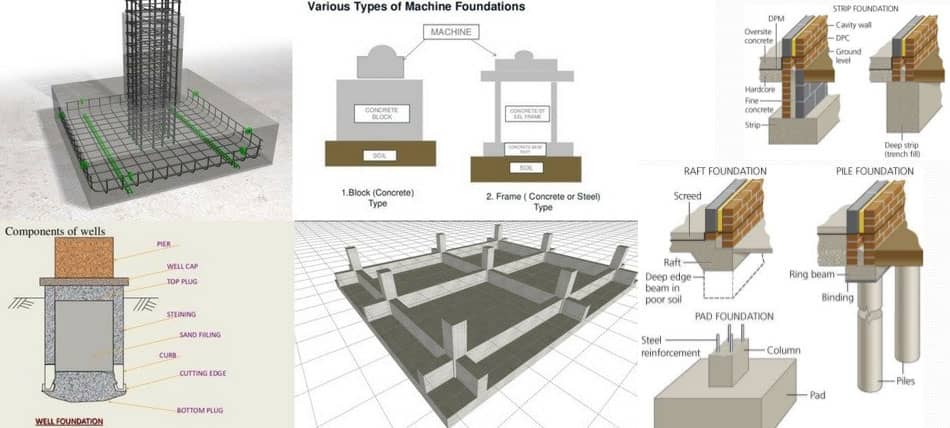
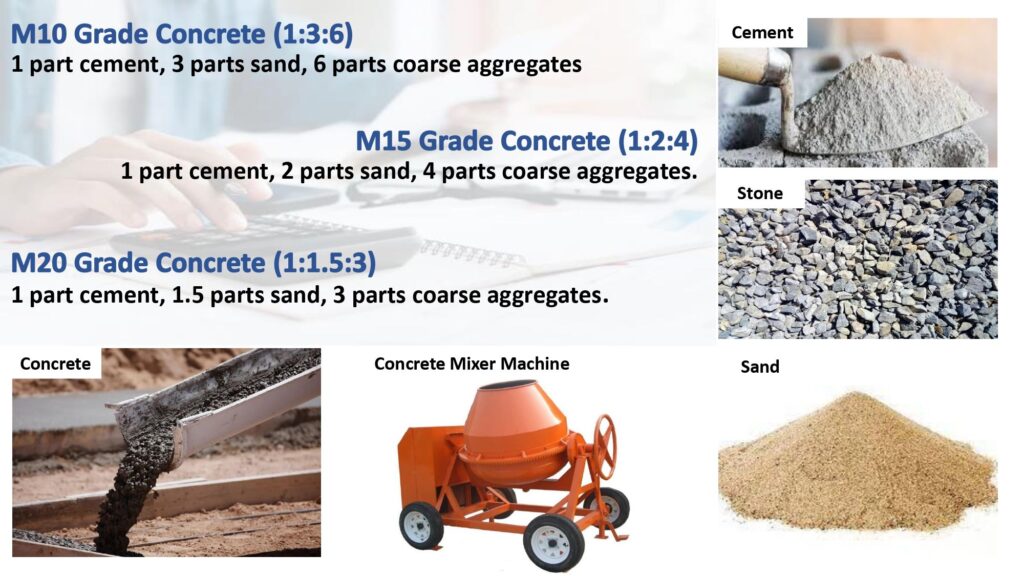
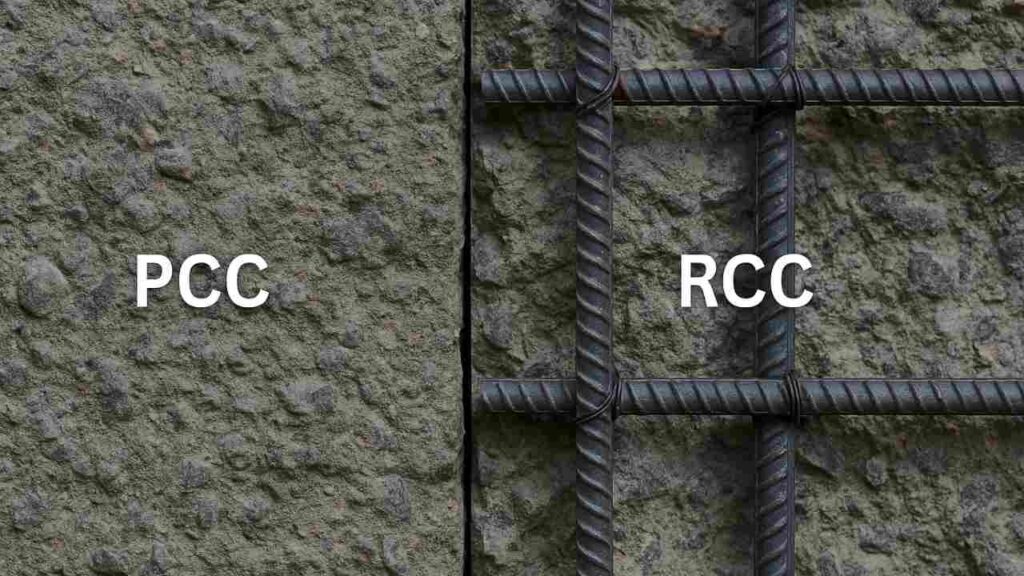
PCC, also known as plain concrete or unreinforced concrete, is a mixture of cement, sand, aggregate, and water without any reinforcement like steel bars. It is mainly used as a base or bedding layer for foundations, flooring, and pavements where tensile stresses are minimal.
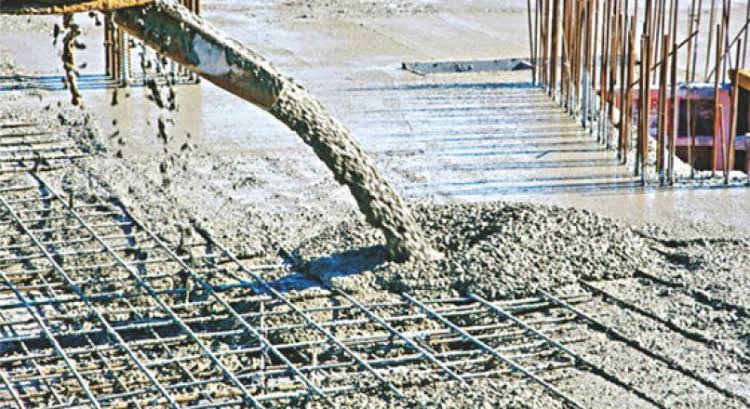
Characteristics of PCC:
- Does not contain reinforcement.
- Primarily resists compressive forces.
- Used for providing a flat and stable surface.
- Relatively less expensive compared to RCC.
- Less tensile strength and hence not suitable for structural elements subjected to bending or tension.
What is RCC (Reinforced Cement Concrete)?
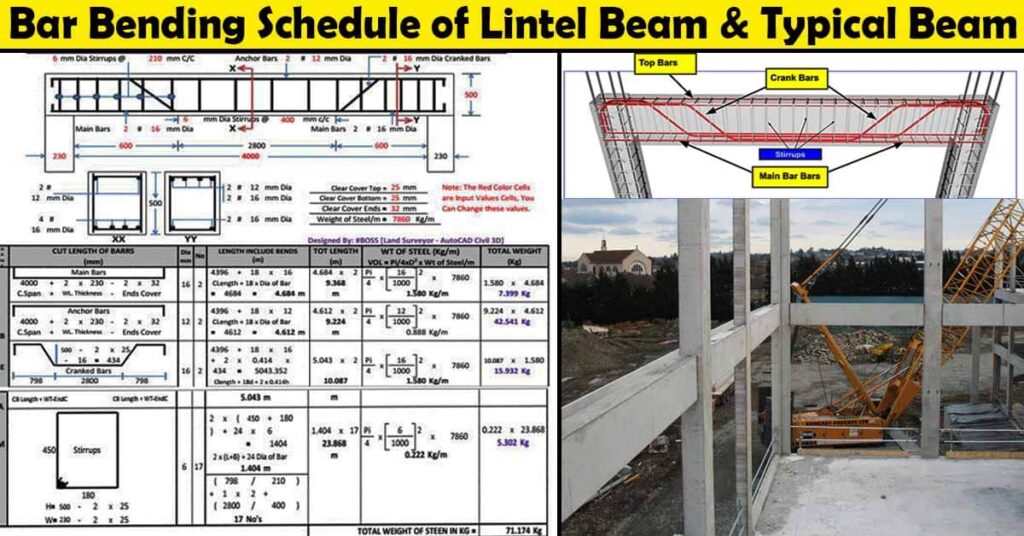
RCC is concrete that is reinforced with steel bars (rebars) or mesh, which significantly enhances its tensile strength. This combination allows RCC to withstand both compressive and tensile stresses, making it ideal for structural components in buildings, bridges, and other infrastructure.
Characteristics of RCC:
- Contains steel reinforcement embedded within the concrete.
- Can withstand both compressive and tensile stresses.
- Suitable for beams, columns, slabs, and other load-bearing structures.
- Provides greater durability and strength.
- More expensive due to the cost of reinforcement and skilled labor.
Key Differences Between RCC and PCC
| Aspect | PCC (Plain Cement Concrete) | RCC (Reinforced Cement Concrete) |
|---|---|---|
| Reinforcement | No reinforcement | Reinforced with steel bars or mesh |
| Strength | Good compressive strength, low tensile | High compressive and tensile strength |
| Usage | Non-structural works, base layers | Structural elements like beams, slabs |
| Cost | Lower cost | Higher cost due to reinforcement |
| Durability | Less durable under tensile stress | More durable due to reinforcement |
| Application | Flooring, pavements, foundations bedding | Columns, beams, slabs, bridges |
Conclusion
Both RCC and PCC concrete play vital roles in construction, but their applications differ based on the structural requirements. PCC is ideal for non-load-bearing works and as a base layer, while RCC is indispensable for structural components requiring high strength and durability. Understanding these differences helps engineers and builders choose the right material for their projects, ensuring safety, efficiency, and cost-effectiveness.
Whether you are a construction professional or a DIY enthusiast, knowing when and where to use RCC and PCC can make a significant difference in your project’s success.