Architecture is a reflection of culture, history, and innovation. Around the globe, diverse architectural styles have emerged, each telling a unique story through design, materials, and construction techniques. In this blog post, we explore the top 10 architectural styles that have shaped the world’s built environment, inspiring architects and enthusiasts alike.
1. Gothic Architecture
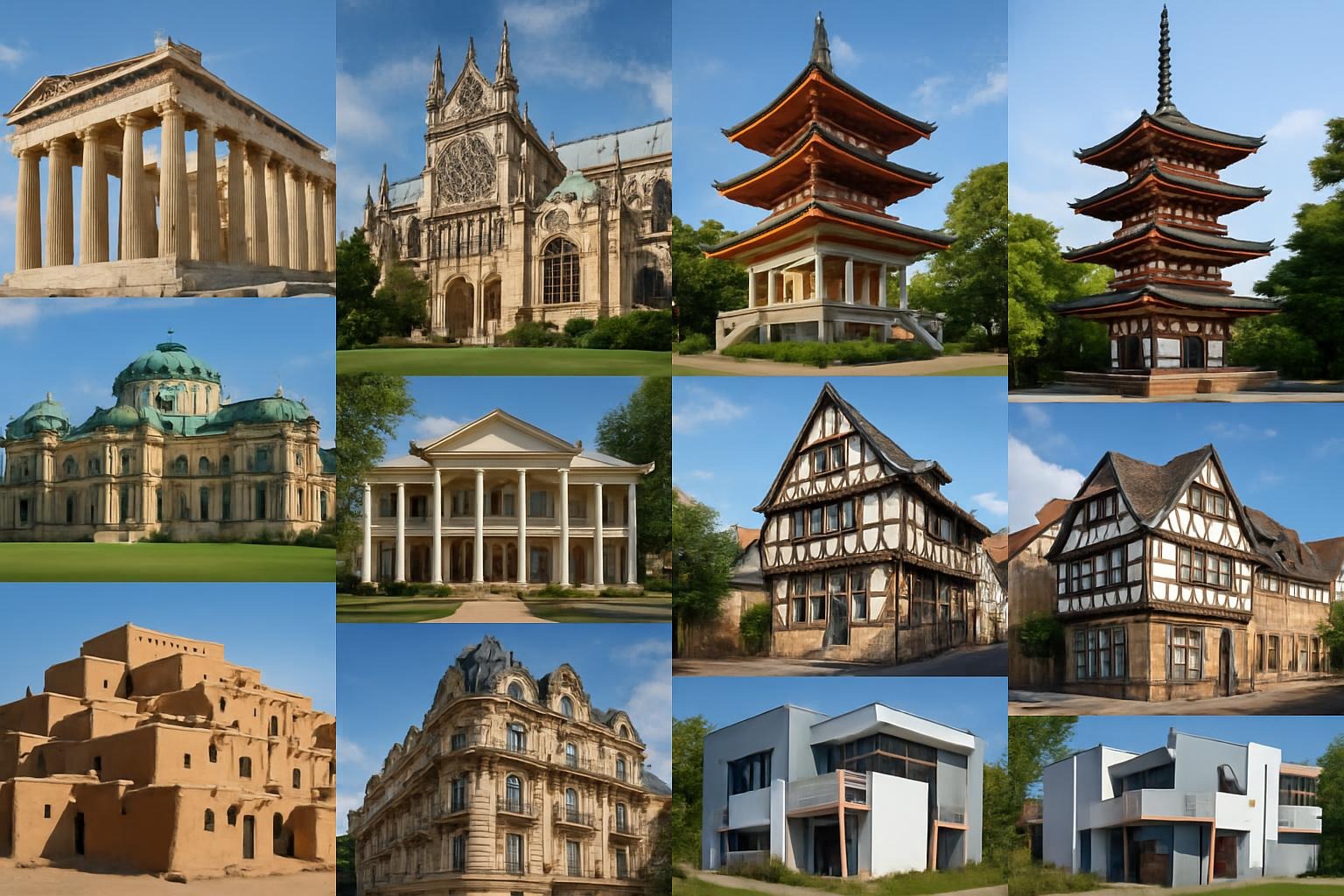
Originating in 12th-century France, Gothic architecture is characterized by pointed arches, ribbed vaults, and flying buttresses. This style aimed to create soaring cathedrals filled with light and intricate stained glass windows. Famous examples include Notre-Dame Cathedral in Paris and Cologne Cathedral in Germany.
2. Baroque Architecture
Emerging in the late 16th century in Italy, Baroque architecture is known for its grandeur, dramatic use of light and shadow, and ornate decorations. It often features bold curves, rich colors, and lavish details. The Palace of Versailles in France and St. Peter’s Basilica in Vatican City are iconic Baroque structures.
3. Classical Architecture
Rooted in the ancient civilizations of Greece and Rome, Classical architecture emphasizes symmetry, proportion, and the use of columns such as Doric, Ionic, and Corinthian orders. The Parthenon in Athens and the Pantheon in Rome exemplify this timeless style.
4. Modernism
Modernist architecture emerged in the early 20th century as a response to industrialization and new technologies. It embraces minimalism, functionalism, and the use of modern materials like steel, glass, and concrete. The Bauhaus School in Germany and Le Corbusier’s Villa Savoye in France are landmarks of this style.
5. Art Deco
Popular in the 1920s and 1930s, Art Deco combines modernist styles with fine craftsmanship and rich materials. It features geometric shapes, bold colors, and lavish ornamentation. The Chrysler Building in New York City and the Miami Beach Architectural District are prime examples.
6. Islamic Architecture
Spanning centuries and continents, Islamic architecture is distinguished by intricate geometric patterns, calligraphy, domes, minarets, and courtyards. The Alhambra in Spain and the Blue Mosque in Istanbul showcase the elegance and spirituality of this style.
7. Renaissance Architecture
Rebirth of classical ideas in the 14th to 17th centuries, Renaissance architecture focuses on symmetry, proportion, and perspective. It often includes domes, columns, and pilasters. Florence Cathedral and St. Peter’s Basilica reflect this revival of classical antiquity.
8. Victorian Architecture
During Queen Victoria’s reign, architecture became eclectic, combining Gothic Revival, Italianate, and Queen Anne styles. Victorian homes are known for their decorative trim, asymmetrical facades, and vibrant colors. The Painted Ladies in San Francisco are iconic Victorian houses.
9. Futurism
Futurist architecture, emerging in the early 20th century, celebrates speed, technology, and innovation. Designs often include dynamic shapes, metallic surfaces, and a sense of movement. The works of architect Zaha Hadid, such as the Heydar Aliyev Center in Azerbaijan, embody futuristic principles.
10. Traditional Japanese Architecture
Known for its simplicity, natural materials, and harmony with nature, traditional Japanese architecture features wooden structures, sliding doors, tatami mats, and curved roofs. The Kinkaku-ji (Golden Pavilion) and traditional tea houses are classic examples.
Conclusion
These top 10 architectural styles offer a glimpse into the rich tapestry of human creativity and cultural expression. Whether marveling at the soaring spires of a Gothic cathedral or admiring the sleek lines of a modernist building, architecture continues to inspire and shape our world in profound ways. Exploring these styles not only deepens our appreciation for design but also connects us to the history and identity of diverse societies.