Building Information Modeling, commonly known as BIM, is a revolutionary approach in the architecture, engineering, and construction (AEC) industry that has transformed how building projects are designed, constructed, and managed. But what exactly is BIM, and why is it gaining so much traction worldwide? In this post, we will explore BIM in detail, explaining its components, benefits, and how it is shaping the future of construction.

What Is BIM?
BIM stands for Building Information Modeling. It is a digital representation of the physical and functional characteristics of a facility. More than just a 3D model, BIM is an intelligent, data-rich process that involves creating and managing information about a building throughout its entire lifecycle — from initial design through construction, operation, and maintenance.
BIM integrates geometry, spatial relationships, geographic information, quantities and properties of building components, and even cost data into a single digital model. This holistic approach facilitates better collaboration among architects, engineers, contractors, and owners.
Core Components of BIM
- 3D Modeling
At its heart, BIM includes creating detailed three-dimensional models of buildings. These models provide a visual representation of every element, from walls and doors to HVAC systems and electrical wiring. - Information Management
Each element in the BIM model carries data about its specifications, materials, manufacturer details, performance characteristics, and more. This data-rich environment supports informed decision-making. - Collaboration Platform
BIM serves as a collaborative platform where multiple stakeholders can work simultaneously on the same model, ensuring that information is up-to-date and reducing errors and miscommunication. - Lifecycle Management
BIM isn’t just about design and construction. It extends into the operation and maintenance phase, providing valuable information to facility managers for maintenance, renovations, and energy management.
How Does BIM Work?
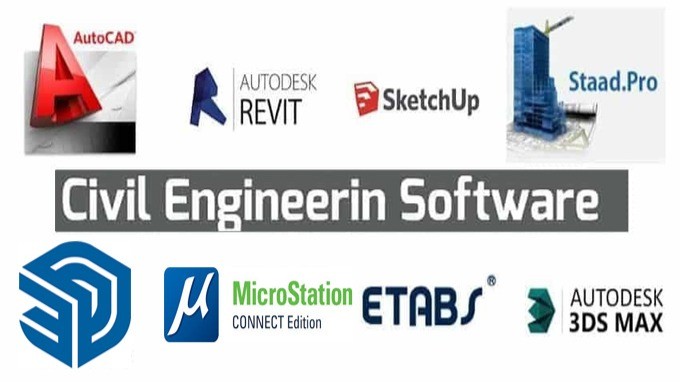
BIM begins in the design phase when architects and engineers create a detailed digital model of the building using specialized software such as Autodesk Revit, ArchiCAD, or Bentley Systems. This model includes not only the geometry but also metadata about every component.
As the project progresses, contractors and subcontractors add their inputs, such as construction schedules, cost estimates, and installation details. The dynamic nature of BIM allows for real-time updates and clash detection — identifying conflicts like pipes running through beams before construction begins.
Once construction is complete, the BIM model becomes a valuable asset for facility management, providing a comprehensive digital twin of the building.
Benefits of BIM
- Improved Collaboration
With a shared digital model, teams can coordinate better, reducing mistakes and rework. - Cost and Time Savings
Early detection of design clashes and better project planning lead to fewer delays and lower costs. - Enhanced Visualization
3D models allow stakeholders to better understand the project and make informed decisions. - Better Quality and Compliance
BIM supports precise documentation and compliance with regulations, improving overall quality. - Sustainability
Energy analysis and simulation within BIM help in designing environmentally friendly buildings.
BIM Levels Explained
BIM maturity is often described in levels from 0 to 3:
- Level 0: Basic CAD drawings with no collaboration.
- Level 1: Managed CAD in 2D or 3D with some collaboration using standardized processes.
- Level 2: Collaborative BIM where all parties work on their own models but share information in a common format.
- Level 3: Fully integrated BIM with a single shared model accessible by all stakeholders in real-time.
Most modern projects aim for at least Level 2 BIM.
Industries Using BIM
While BIM originated in the construction industry, its use has expanded into:
- Architecture and design firms
- Construction companies
- Engineering consultants
- Facility management
- Infrastructure projects like roads, bridges, and utilities
The Future of BIM
BIM is rapidly evolving with advances in technology such as artificial intelligence (AI), virtual reality (VR), augmented reality (AR), and the Internet of Things (IoT). These innovations are expected to enhance BIM’s capabilities, making buildings smarter, more efficient, and easier to manage.
Conclusion
Building Information Modeling is much more than just a digital tool — it is a comprehensive process that integrates design, construction, and operation data into a unified model, fostering collaboration and efficiency. As the construction industry continues to modernize, BIM stands at the forefront, driving innovation and delivering better outcomes for all stakeholders.
If you’re involved in any aspect of building design or construction, understanding BIM is essential to stay competitive and improve project success.
Interested in learning more about BIM software and implementation strategies? Stay tuned for our upcoming posts where we dive deeper into BIM tools, workflows, and case studies.