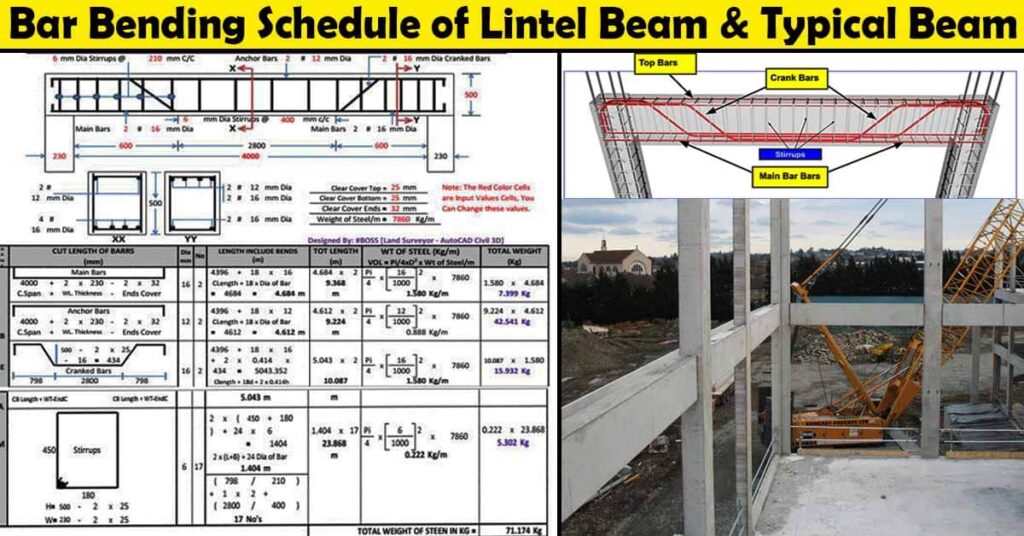
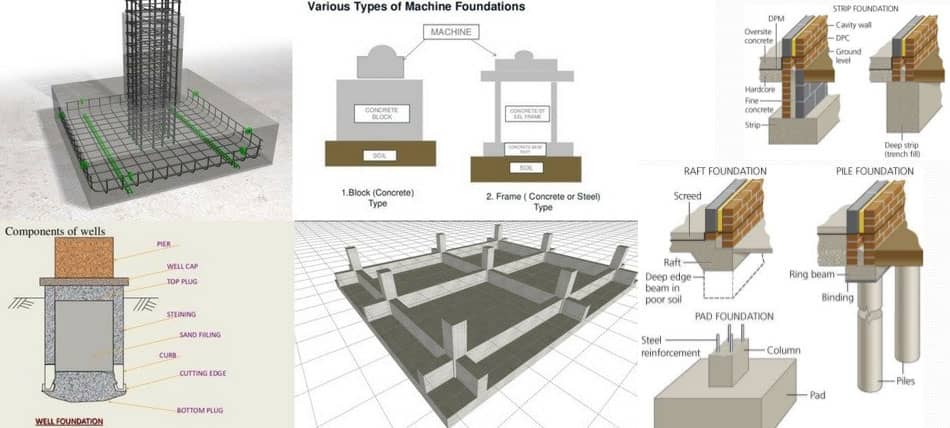
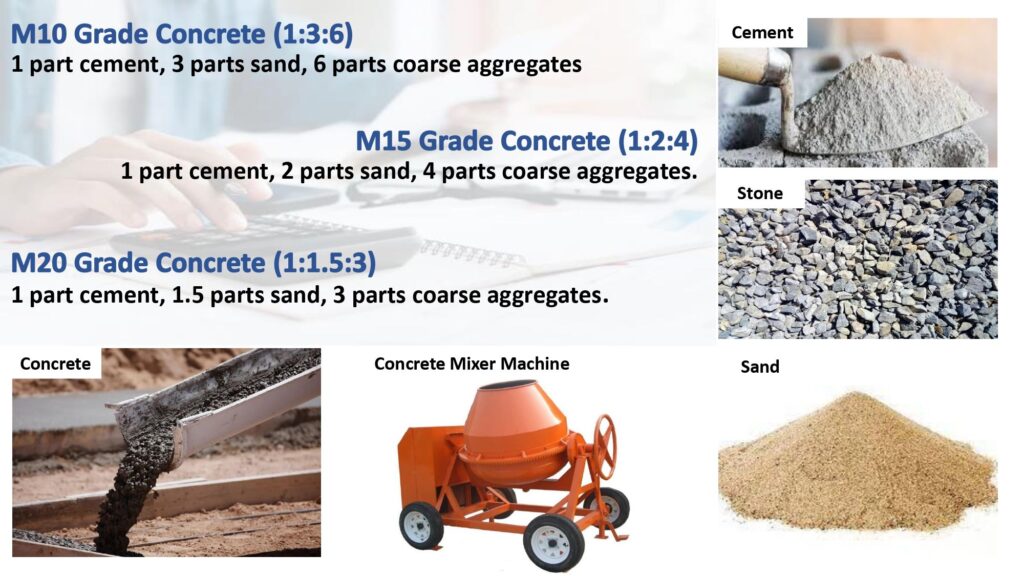
When planning a construction project, one of the most critical steps is determining how much concrete you will need. Whether you’re pouring a driveway, patio, or foundation slab, calculating the volume of concrete accurately helps you avoid unnecessary expenses and ensures your project runs smoothly. In this post, we’ll walk you through the process of calculating the volume of concrete for slabs step-by-step.
Understanding the Basics
Concrete volume is measured in cubic units, most commonly cubic meters (m³) or cubic yards (yd³), depending on your location. The volume is simply the amount of space the concrete will occupy when poured.
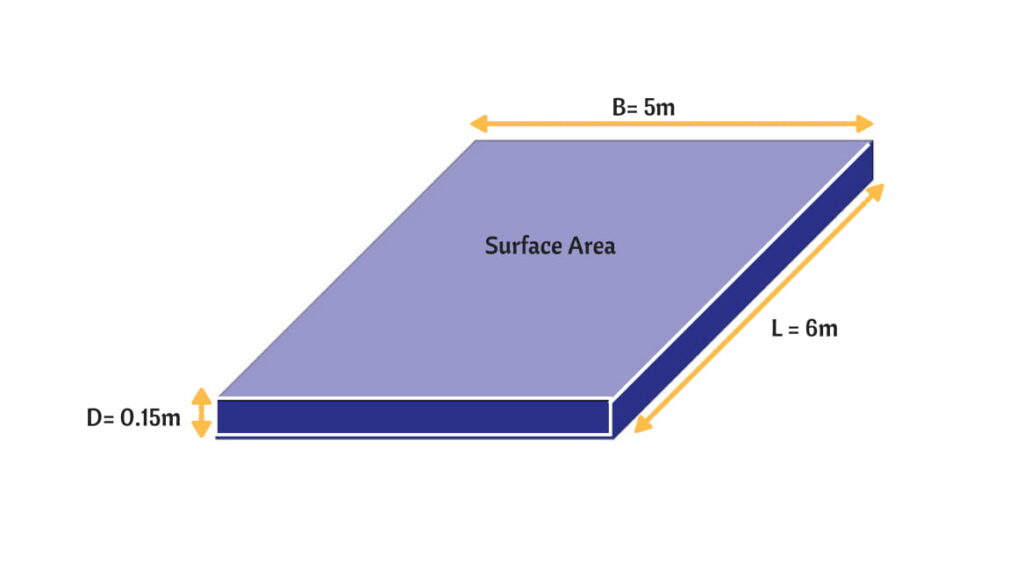
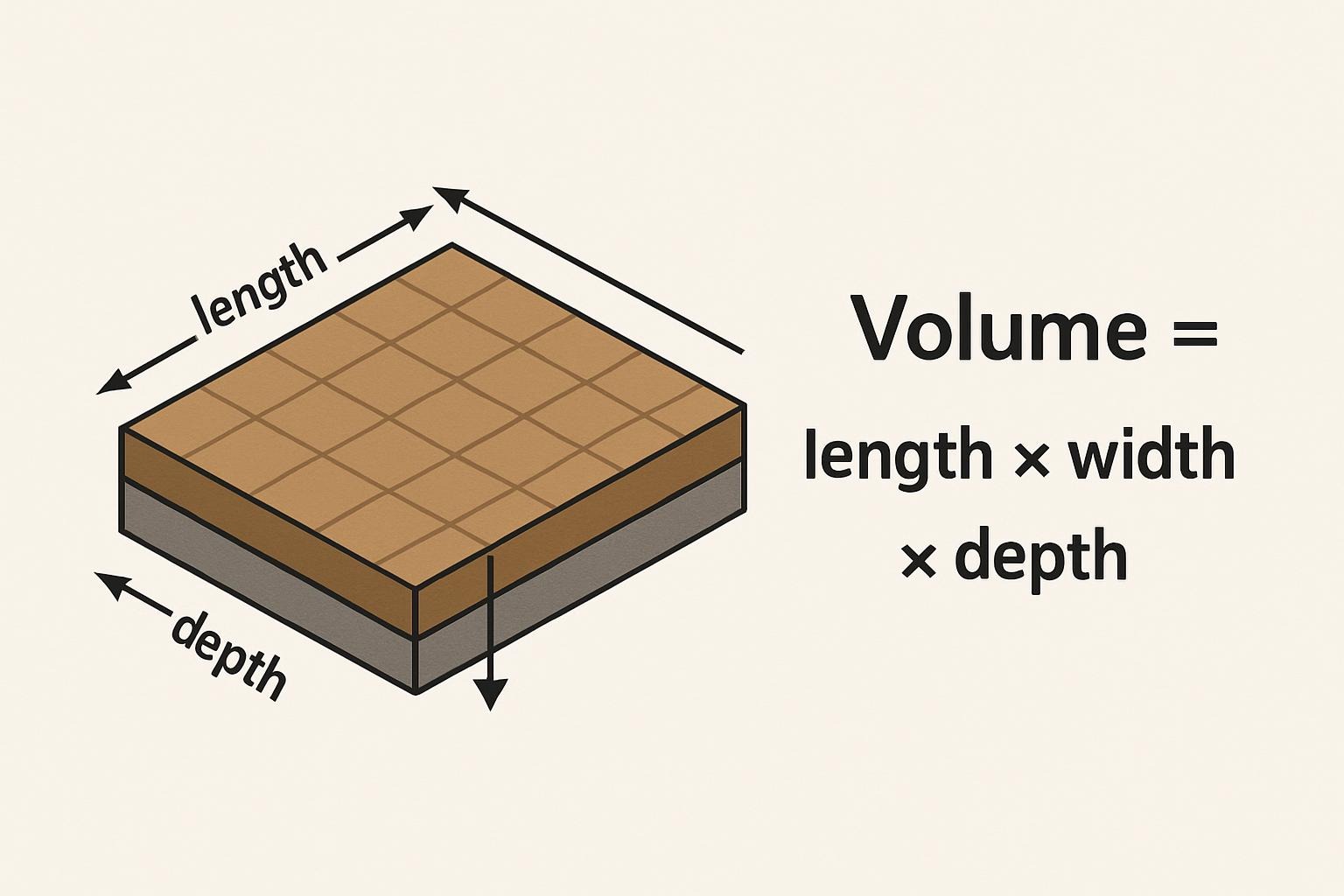
The basic formula to calculate the volume of a slab is:
Volume = Length × Width × Thickness
Where all dimensions are in the same unit of measurement.
Step 1: Measure the Dimensions of the Slab
- Length: Measure the length of the slab from end to end.
- Width: Measure the width of the slab at its widest point.
- Thickness: Determine the thickness or depth of the slab. This is usually specified in the project plans and often ranges from 4 to 6 inches for residential slabs.
Make sure you convert all measurements to the same unit. For example, if your slab thickness is given in inches and length and width in feet, convert thickness to feet by dividing the inches by 12.
Step 2: Convert Measurements to Consistent Units
If you measure length and width in feet and thickness in inches, convert thickness to feet:
Thickness (ft) = Thickness (inches) ÷ 12
Example: 6 inches ÷ 12 = 0.5 feet
Step 3: Calculate the Volume in Cubic Feet
Multiply the length, width, and thickness (all in feet):
Volume (cubic feet) = Length (ft) × Width (ft) × Thickness (ft)
Example: A slab 10 ft long, 12 ft wide, and 0.5 ft thick:
Volume = 10 × 12 × 0.5 = 60 cubic feet
Step 4: Convert Cubic Feet to Cubic Yards (if needed)
Concrete is often ordered in cubic yards. There are 27 cubic feet in one cubic yard.
Volume (cubic yards) = Volume (cubic feet) ÷ 27
Example:
60 cubic feet ÷ 27 ≈ 2.22 cubic yards
Step 5: Add Waste Factor
It’s a good idea to order extra concrete to account for spillage, over-excavation, or slight errors in measurement. A common practice is to add 5-10% to the calculated volume.
Example:
2.22 cubic yards × 1.10 (for 10% extra) ≈ 2.44 cubic yards
Additional Tips
- Irregular Shapes: For slabs with irregular shapes, divide the slab into regular shapes (rectangles, triangles), calculate each volume separately, then sum them up.
- Thickness Variations: If thickness varies, calculate volumes for each section separately.
- Use Online Calculators: Many tools and apps are available to help you calculate volume quickly.
- Consult Professionals: For large or complex projects, consult with a structural engineer or concrete supplier.
Summary
Calculating the volume of concrete needed for slabs is essential for budgeting and ordering materials. Remember to:
- Measure length, width, and thickness accurately.
- Convert all measurements to consistent units.
- Use the formula Volume = Length × Width × Thickness.
- Convert cubic feet to cubic yards if necessary.
- Add a waste factor to cover unforeseen issues.
Following these steps will ensure you purchase the right amount of concrete and keep your project on track.
By mastering this simple calculation, you’ll avoid costly mistakes and ensure your concrete slab is poured perfectly the first time. Happy building!