Choosing the right cement for your construction project is a critical step that influences the durability, strength, and overall quality of the finished structure. Cement acts as the binding agent in concrete, mortar, and other building materials, and selecting the appropriate type can significantly affect your project’s success. This comprehensive guide will walk you through everything you need to know about cement types, properties, and selection criteria to ensure you make an informed decision for your specific needs.
Understanding Cement and Its Role in Construction
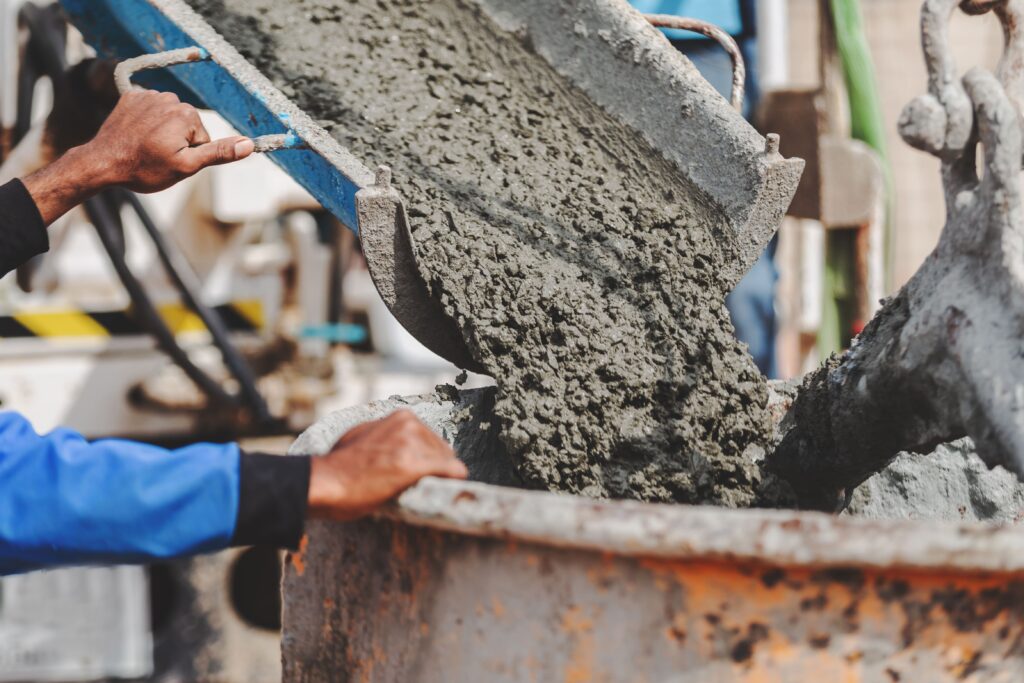
Cement is a fine powder made from a mixture of calcium, silicon, aluminum, iron, and other minerals. When mixed with water, it forms a paste that binds aggregates like sand and gravel to create concrete or mortar. This binding property makes cement indispensable in construction.
The choice of cement affects:
- Strength: Determines how much load the structure can bear.
- Durability: Influences resistance to environmental factors like moisture, chemicals, and temperature.
- Setting Time: Impacts the workability and curing process.
- Cost: Affects the overall budget of the project.
Types of Cement
There are various types of cement available, each designed for specific applications and environments. Understanding the different types helps you choose the most suitable one for your project.
1. Ordinary Portland Cement (OPC)
- Description: The most commonly used cement, OPC is made by grinding clinker and adding a small amount of gypsum.
- Grades: Typically available in 33, 43, and 53 grades, indicating compressive strength in megapascals (MPa) after 28 days.
- Applications: General construction, residential buildings, pavements, and infrastructure.
- Advantages: Good strength development and widely available.
- Limitations: Not suitable for high sulfate environments or underwater structures.
2. Portland Pozzolana Cement (PPC)
- Description: Made by blending OPC with pozzolanic materials like fly ash, volcanic ash, or calcined clay.
- Properties: Improved durability, reduced heat of hydration, and better resistance to chemical attacks.
- Applications: Structures exposed to sulfate or chloride environments, marine constructions, and large mass concrete works.
- Advantages: Environmentally friendly, better long-term strength, and reduces permeability.
- Limitations: Slower strength gain compared to OPC initially.
3. Rapid Hardening Cement
- Description: Similar to OPC but with higher C3S (tricalcium silicate) content for quicker strength development.
- Applications: Repairs, roadworks, and precast concrete where early strength is essential.
- Advantages: Gains strength faster, allowing early removal of formwork.
- Limitations: More expensive and can generate more heat during setting.
4. Sulfate Resisting Cement (SRC)
- Description: Special cement designed to resist sulfate attacks by having lower C3A (tricalcium aluminate) content.
- Applications: Sewage works, foundations in sulfate-rich soils, and marine structures.
- Advantages: Prevents deterioration in sulfate-exposed environments.
- Limitations: Higher cost and longer setting time.
5. White Cement
- Description: Made from raw materials low in iron and manganese, giving it a white color.
- Applications: Architectural projects, decorative works, terrazzo flooring, and precast facades.
- Advantages: Aesthetic appeal and good strength.
- Limitations: More expensive and less common.
6. High Alumina Cement (HAC)
- Description: Contains high alumina content, providing rapid strength gain and resistance to chemical corrosion.
- Applications: Chemical plants, refractory concretes, and situations requiring quick strength.
- Advantages: Resistant to high temperatures and chemical attacks.
- Limitations: Expensive and can suffer strength loss over time if not cured properly.
7. Hydrophobic Cement
- Description: Cement treated with additives to repel water.
- Applications: Construction in wet or humid environments.
- Advantages: Easier to handle and store in moist conditions.
- Limitations: Slightly higher cost.
Factors to Consider When Choosing Cement
Selecting the right cement requires considering several factors related to your project’s nature, environmental conditions, and performance requirements.
1. Project Type and Structural Requirements
- For residential buildings and general construction, OPC or PPC is usually sufficient.
- For mass concrete projects like dams, PPC is preferred due to lower heat generation.
- For marine or sewage structures, sulfate resisting cement is essential.
- For decorative or architectural finishes, white cement offers aesthetic advantages.
2. Environmental Conditions
- Exposure to moisture, sulfate, or chloride ions demands cement with higher resistance properties.
- For high temperature or chemical exposure, high alumina cement is suitable.
- In cold climates, rapid hardening cement can be beneficial to reduce setting time.
3. Strength Requirements
- Higher grade OPC (53 grade) is used where high compressive strength is needed.
- PPC offers adequate strength for most projects but gains strength slower than OPC.
- Rapid hardening cement provides early strength gain for quick project turnaround.
4. Workability and Setting Time
- Some projects require longer setting times for better workability (PPC).
- Others need rapid setting for fast completion (rapid hardening cement).
5. Budget and Availability
- OPC is typically more affordable and widely available.
- Specialized cements like white cement or high alumina cement come at a premium.
- Consider transportation and storage costs as well.
6. Sustainability and Environmental Impact
- PPC uses industrial byproducts like fly ash, making it more environmentally friendly.
- Using PPC can reduce carbon footprint compared to OPC.
How to Select Cement for Different Construction Applications
Here’s a guide on choosing cement based on specific construction needs:
| Application | Recommended Cement Type | Key Considerations |
|---|---|---|
| Residential Buildings | OPC (33 or 43 grade), PPC | Cost-effective, good strength, durability |
| Large Mass Concrete (Dams) | PPC | Low heat of hydration, durability |
| Marine Structures | Sulfate Resisting Cement | Resistance to salts and sulfates |
| Road Construction | Rapid Hardening Cement | Early strength for quick traffic use |
| Decorative Works | White Cement | Aesthetic appeal |
| Chemical Plants | High Alumina Cement | Chemical resistance and high temperature |
| Sewage Treatment Plants | Sulfate Resisting Cement | Resistance to aggressive chemicals |
Testing and Quality Assurance of Cement
Before purchasing cement for your project, it is crucial to ensure its quality. Here are common tests used:
1. Fineness Test
- Measures particle size; finer cement has better hydration and strength development.
2. Consistency Test
- Determines the water quantity needed for proper cement paste.
3. Setting Time Test
- Checks initial and final setting times, affecting workability.
4. Compressive Strength Test
- Determines strength after 3, 7, and 28 days to ensure compliance with standards.
5. Soundness Test
- Ensures cement doesn’t undergo excessive expansion after setting.
6. Heat of Hydration Test
- Important for mass concrete applications to control temperature rise.
Always buy cement from reputed manufacturers and check for certifications like ASTM, IS, or EN standards.
Tips for Handling and Storing Cement
Proper handling and storage ensure cement quality is maintained:
- Store in dry, moisture-free conditions.
- Use waterproof covers.
- Avoid stacking bags more than 10 bags high.
- Use cement within 3 months of manufacturing.
- Avoid mixing different batches.
Conclusion
Choosing the right cement for your project involves understanding the specific requirements of your construction and the environment in which the structure will exist. By considering factors like strength, durability, setting time, and cost, and by choosing the appropriate type of cement, you can ensure a strong, durable, and long-lasting structure.
Whether you are building a home, constructing a bridge, or working on a marine facility, selecting the right cement is foundational to your project’s success. Always consult with structural engineers or construction experts if unsure and rely on quality-tested cement from reputable manufacturers.
By following this guide, you will be well-equipped to make an informed decision on the most suitable cement for your next construction project, ensuring quality, safety, and efficiency from start to finish.