In the ever-evolving world of construction, the materials we use play a crucial role in shaping the durability, aesthetics, sustainability, and functionality of buildings. Traditional materials like wood, brick, and concrete have served us well for centuries, but the rapid advancement of technology and increased emphasis on sustainability have paved the way for innovative modern building materials. These new materials not only improve the performance of structures but also help reduce environmental impact, enhance energy efficiency, and open up new architectural possibilities.
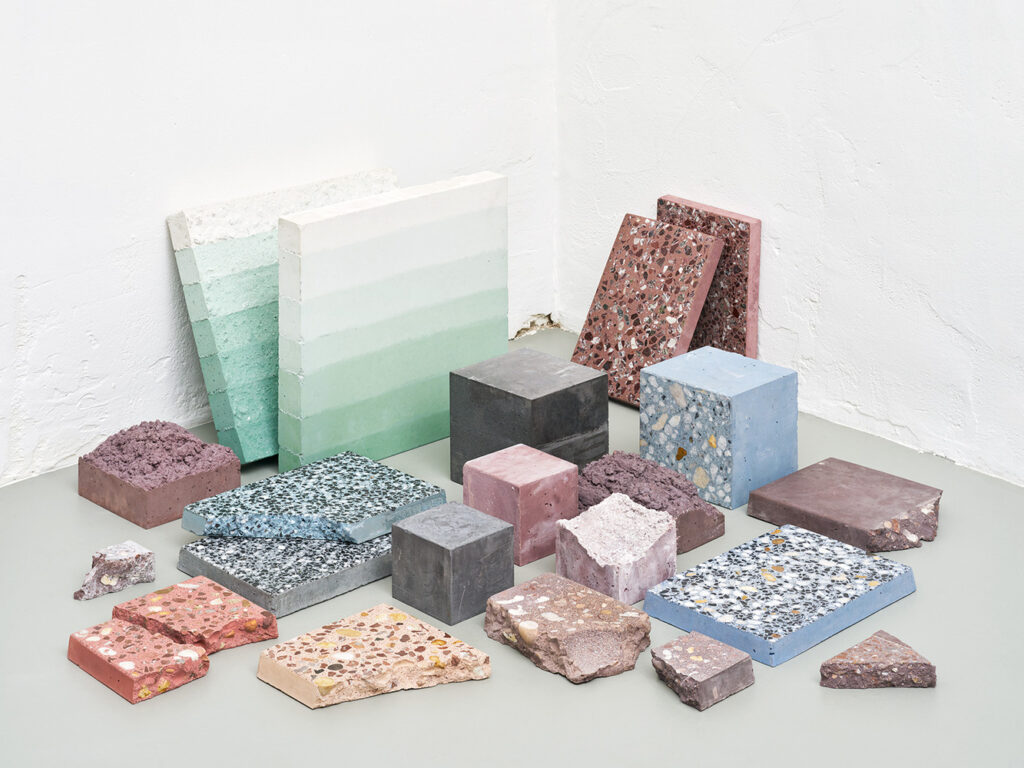
This comprehensive blog post explores some of the most significant modern building materials that every architect, builder, and homeowner should know about. We will delve into their properties, uses, benefits, and the reasons they are becoming increasingly popular in contemporary construction.
1. Cross-Laminated Timber (CLT)
What is CLT?
Cross-Laminated Timber (CLT) is an engineered wood product made by stacking layers of lumber at right angles and bonding them with structural adhesives. This crosswise arrangement enhances the material’s strength, stability, and rigidity, making it suitable as a structural panel in floors, walls, and roofs.
Benefits of CLT
- Sustainability: CLT is made from renewable wood sources and acts as a carbon sink, storing CO2 absorbed by trees.
- Lightweight: Compared to concrete and steel, CLT is lighter, reducing foundation loads and transportation costs.
- Speedy Construction: Prefabricated CLT panels allow for fast on-site assembly.
- Thermal Performance: Wood’s natural insulation properties improve energy efficiency.
- Aesthetic Appeal: Exposed CLT surfaces provide warm, natural finishes.
Applications
CLT is widely used in residential, commercial, and institutional buildings, including multi-story structures and modular construction projects.
2. Self-Healing Concrete
What is Self-Healing Concrete?
Self-healing concrete incorporates special bacteria or chemical agents that activate upon cracking and produce limestone or other healing compounds to fill and seal the cracks autonomously.
Benefits of Self-Healing Concrete
- Longer Lifespan: Cracks are sealed, preventing water ingress and corrosion of reinforcement.
- Reduced Maintenance: Lowers repair costs and downtime.
- Improved Durability: Enhances structural integrity over time.
- Environmental Impact: Extends the life of concrete structures, reducing the need for new materials.
Applications
Ideal for infrastructure like bridges, tunnels, and marine structures where durability and maintenance are critical.
3. Aerogel Insulation
What is Aerogel?
Aerogel is a highly porous, ultra-light material known for its excellent thermal insulation properties. It is composed mostly of air, trapped within a silica or polymer matrix.
Benefits of Aerogel
- Exceptional Insulation: Provides superior thermal resistance with minimal thickness.
- Lightweight: Adds very little weight to building envelopes.
- Fire Resistant: Non-combustible and can withstand high temperatures.
- Soundproofing: Offers good acoustic insulation.
Applications
Used in walls, roofs, windows, and skylights to improve energy efficiency, especially in retrofitting older buildings.
4. Transparent Aluminum (Aluminum Oxynitride)
What is Transparent Aluminum?
Transparent aluminum, or aluminum oxynitride (ALON), is a ceramic compound with excellent optical transparency and high strength.
Benefits of Transparent Aluminum
- Strength: Much stronger than glass and resistant to scratching and impacts.
- Lightweight: Lighter than traditional bulletproof glass.
- Durability: Resistant to high temperatures and harsh environments.
- Security: Used in armored windows and security enclosures.
Applications
Used in security glazing, military applications, and architectural features requiring transparent yet strong materials.
5. 3D-Printed Building Materials
What is 3D-Printed Construction?
3D printing in construction involves depositing layers of material (often concrete or composite mixtures) to create building components or entire structures directly from digital models.
Benefits of 3D-Printed Materials
- Customization: Allows for complex geometries and lightweight structures.
- Waste Reduction: Material is deposited only where needed.
- Speed: Can significantly reduce construction time.
- Cost Efficiency: Reduces labor costs and material waste.
Applications
Used in residential homes, emergency shelters, commercial buildings, and experimental architectural projects.
6. Phase Change Materials (PCMs)
What are PCMs?
Phase Change Materials absorb and release thermal energy during the process of melting and solidifying at certain temperatures. Incorporated into building materials, they help regulate indoor temperatures.
Benefits of PCMs
- Energy Efficiency: Reduce heating and cooling demands by stabilizing indoor temperatures.
- Comfort: Maintain more consistent indoor environments.
- Sustainability: Lower energy consumption reduces carbon footprint.
Applications
Integrated into wallboards, ceiling tiles, and flooring materials.
7. Fiber-Reinforced Polymers (FRP)
What are FRPs?
Fiber-Reinforced Polymers are composite materials made of a polymer matrix reinforced with fibers such as glass, carbon, or aramid. They combine high strength with low weight.
Benefits of FRPs
- High Strength-to-Weight Ratio: Stronger and lighter than steel.
- Corrosion Resistance: Ideal for harsh environments.
- Flexibility: Can be molded into complex shapes.
- Durability: Resistant to fatigue and weathering.
Applications
Used in bridge decks, façade panels, reinforcement for concrete, and seismic retrofitting.
8. Green Concrete
What is Green Concrete?
Green concrete incorporates industrial waste products like fly ash, slag, or recycled aggregates to reduce the environmental impact of traditional concrete.
Benefits of Green Concrete
- Reduced Carbon Emissions: Less cement usage means lower CO2 output.
- Waste Utilization: Recycles industrial by-products.
- Cost Savings: Uses cheaper materials.
- Performance: Can have enhanced durability and strength.
Applications
Widely used in sustainable construction projects and infrastructure developments.
9. Vacuum Insulation Panels (VIPs)
What are VIPs?
Vacuum insulation panels are highly efficient insulation materials where the air is removed to reduce thermal conductivity drastically.
Benefits of VIPs
- Thin Profile: Offers high insulation in minimal thickness.
- Energy Savings: Excellent thermal performance.
- Space Efficiency: Useful where space constraints exist.
Applications
Used in walls, floors, roofs, and refrigeration units.
10. Smart Glass
What is Smart Glass?
Smart glass can change its light transmission properties based on external stimuli like electric voltage, heat, or light, allowing control over transparency, tint, or color.
Benefits of Smart Glass
- Energy Savings: Reduces need for air conditioning by controlling solar gain.
- Privacy: Switches between transparent and opaque states.
- UV Protection: Blocks harmful UV rays.
- Daylighting: Enhances natural light management.
Applications
Used in windows, skylights, partitions, and facades.
Conclusion
Modern building materials are transforming the construction industry by introducing innovative solutions that enhance sustainability, efficiency, aesthetics, and durability. From engineered woods like Cross-Laminated Timber to futuristic materials like transparent aluminum and smart glass, these materials offer exciting possibilities for designing the buildings of tomorrow.
As environmental concerns grow and technology advances, embracing these modern materials will be essential for creating resilient, energy-efficient, and beautiful structures that meet the needs of the 21st century and beyond. Whether you are a builder, architect, or homeowner, understanding these materials can help you make informed decisions and contribute to a more sustainable built environment.
References and Further Reading
- Engineered Wood Association – CLT
- American Concrete Institute – Self-Healing Concrete
- NASA Aerogel Research
- Science Direct – Transparent Aluminum
- 3D Printing in Construction – MIT Research
- Phase Change Materials in Buildings – Energy.gov
- Fiber-Reinforced Polymers – Composites World
- Green Concrete – Environmental Benefits
- Vacuum Insulation Panels – Thermacore
- Smart Glass Technology – SageGlass
Explore these materials further to stay ahead in the rapidly changing world of modern construction.