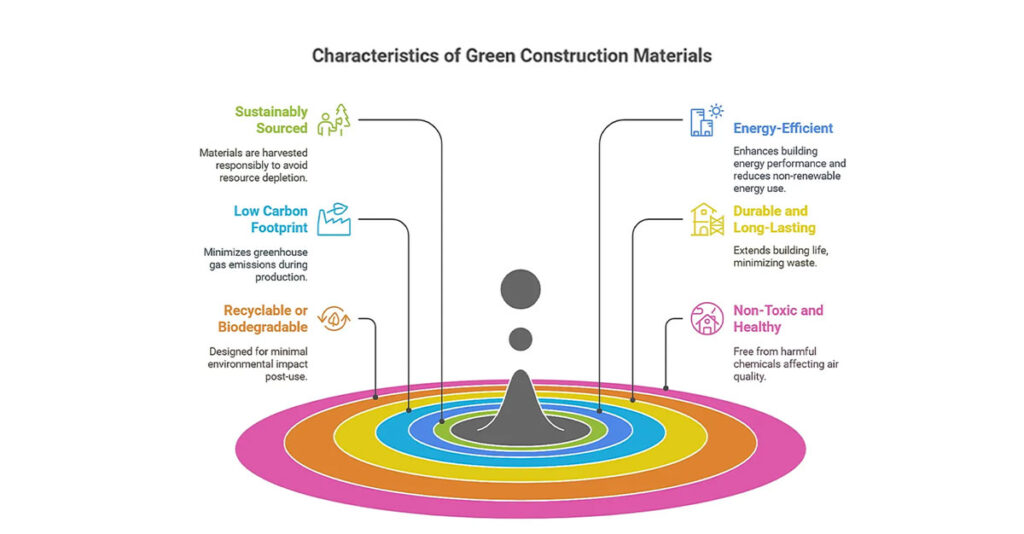
As the world increasingly prioritizes sustainability, the construction industry is evolving to embrace eco-friendly practices. One of the most significant steps toward green building is selecting sustainable construction materials. These materials not only reduce environmental impact but also enhance energy efficiency, improve indoor air quality, and promote healthier living spaces. In this blog post, we’ll explore the top 10 green construction materials that are transforming eco-friendly buildings.
1. Bamboo
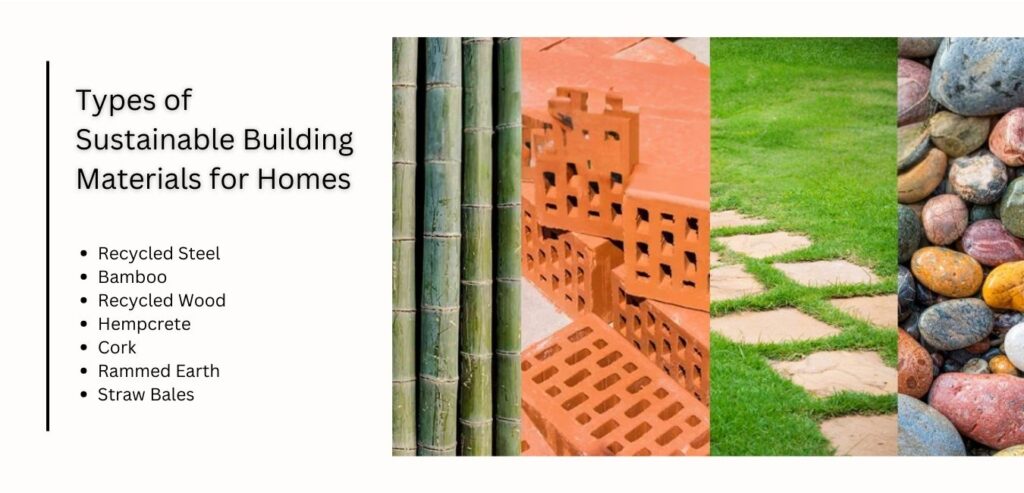
Bamboo is a rapidly renewable resource that grows much faster than traditional timber. Its strength and flexibility make it an excellent substitute for wood in flooring, walls, and structural elements. Bamboo also absorbs carbon dioxide, helping to reduce greenhouse gases.
2. Recycled Steel
Steel is one of the most recycled materials globally. Using recycled steel in construction reduces the need for mining raw materials, saving energy and lowering carbon emissions. It’s durable, strong, and ideal for framing and reinforcements.
3. Reclaimed Wood
Reclaimed wood comes from old buildings, barns, or other structures and is repurposed for new construction projects. Using reclaimed wood reduces deforestation and gives old materials a new life, adding character and warmth to buildings.
4. Cork
Cork is harvested from the bark of cork oak trees without harming them, making it a sustainable option. It is lightweight, insulating, and resistant to moisture and pests. Cork is commonly used for flooring, wall coverings, and insulation.
5. Rammed Earth
Rammed earth construction uses natural materials like soil, sand, and clay compacted to form walls. It provides excellent thermal mass, regulating indoor temperatures naturally and reducing the need for heating or cooling.
6. Straw Bales
Straw bales are an affordable, renewable resource used for insulation or structural elements. They offer excellent thermal insulation, soundproofing, and are biodegradable at the end of their life cycle.
7. Green Roof Materials
Green roofs involve layers of soil and vegetation planted over waterproof membranes. They reduce heat absorption, improve air quality, and manage stormwater. Materials used include specialized waterproof membranes, drainage layers, and lightweight soil mixes.
8. Low-VOC Paints and Finishes
Volatile organic compounds (VOCs) in traditional paints can harm indoor air quality. Low-VOC or zero-VOC paints and finishes minimize toxic emissions, contributing to healthier indoor environments.
9. Recycled Plastic Lumber
Made from recycled plastic waste, this lumber is durable, weather-resistant, and requires less maintenance than traditional wood. It’s ideal for decking, fencing, and outdoor furniture, reducing plastic waste in landfills.
10. Insulated Concrete Forms (ICFs)
ICFs are hollow foam blocks filled with concrete, providing superior insulation and structural strength. They reduce energy costs by maintaining stable indoor temperatures and are made from recyclable materials.
Conclusion
Choosing green construction materials is a critical step toward sustainable building practices. These materials not only help conserve natural resources but also improve the overall performance and comfort of buildings. Whether you’re planning a new construction project or renovating an existing space, incorporating these eco-friendly materials can make a significant positive impact on the environment and your quality of life.
Embrace the future of construction by going green—your planet will thank you!