Bridges are vital structures that connect places, enabling transportation and commerce across rivers, valleys, and other obstacles. Building a bridge is a complex engineering task that requires careful planning, precise execution, and collaboration among experts from various fields. In this blog post, we will walk you through the step-by-step process of how bridges are built, from initial design to final construction.
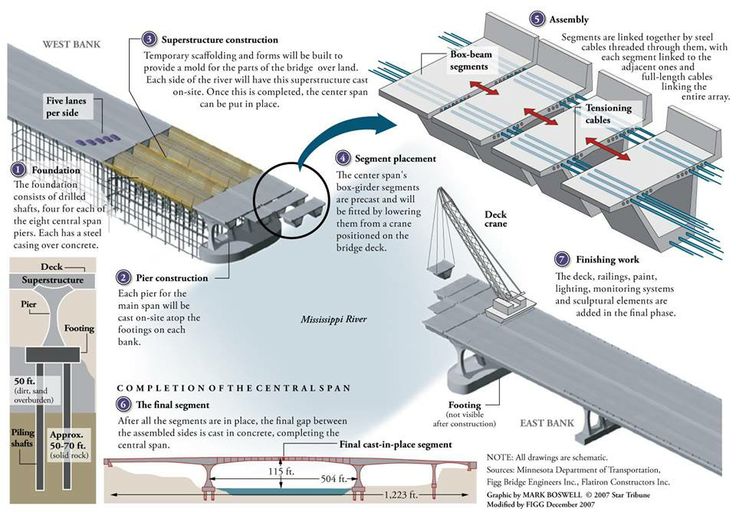
1. Planning and Design
The first step in building a bridge is thorough planning and design. Engineers and architects assess the location, purpose, and environmental impact of the bridge. They consider factors such as:
- The distance the bridge needs to span
- The type of terrain and geological conditions
- The loads the bridge will carry (vehicles, pedestrians, trains)
- Weather conditions and natural hazards
- Budget and materials available
Using this information, they create detailed blueprints and structural designs. Modern tools like computer-aided design (CAD) software and simulations help optimize the bridge’s safety and efficiency.
2. Site Preparation
Before construction can begin, the site must be prepared. This involves clearing vegetation, leveling the ground, and sometimes diverting water bodies. Heavy machinery is used to excavate and shape the land to create a solid foundation for the bridge.
If the bridge crosses a river or deep valley, cofferdams or temporary structures may be built to hold back water and provide a dry workspace.
3. Foundation Construction
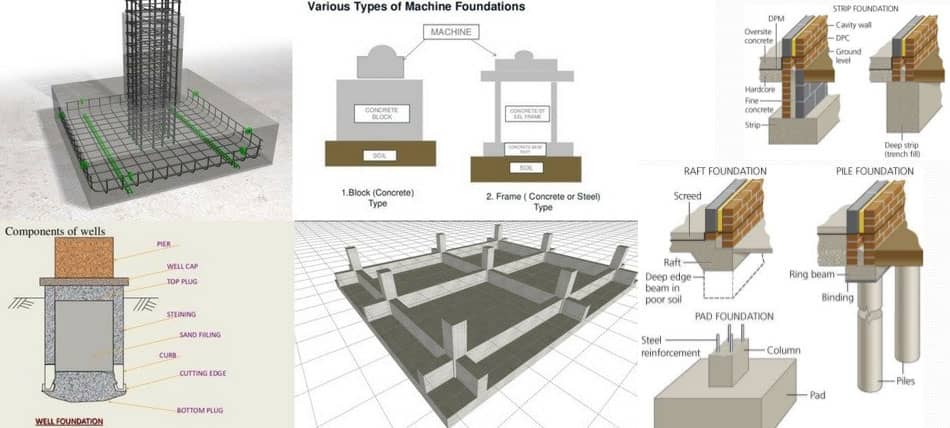
A strong foundation is crucial to support the bridge’s weight and ensure its stability. The type of foundation depends on soil conditions and bridge design. Common foundation types include:
- Pile foundations: Long columns driven deep into the ground or riverbed.
- Caissons: Large watertight boxes sunk into the ground and filled with concrete.
- Spread footings: Wide concrete pads that distribute the load over a large area.
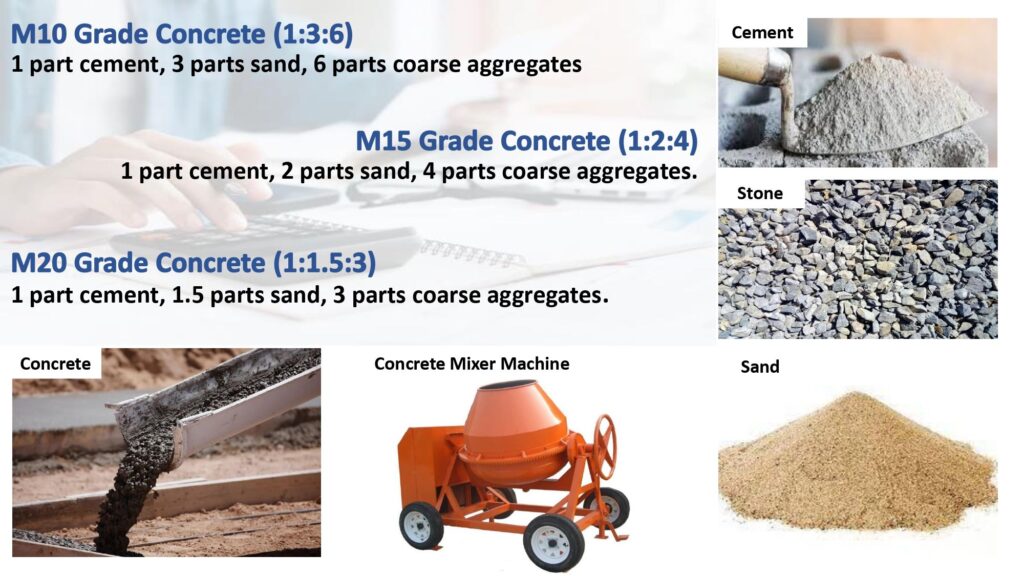
Engineers conduct soil tests to determine the best foundation approach. Once the foundation method is chosen, construction teams install piles, caissons, or footings using cranes, drills, and concrete mixers.
4. Building the Substructure
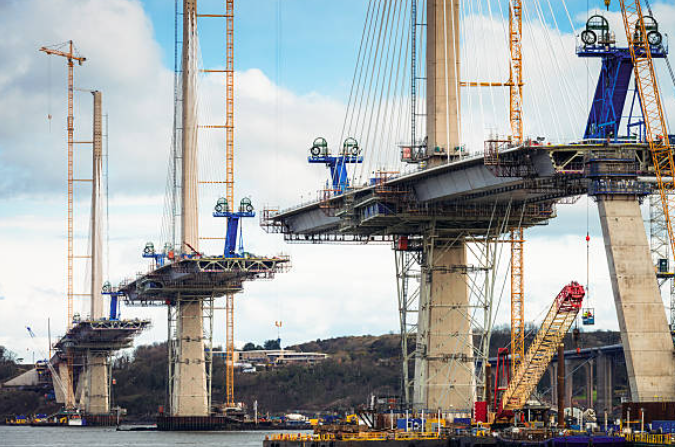
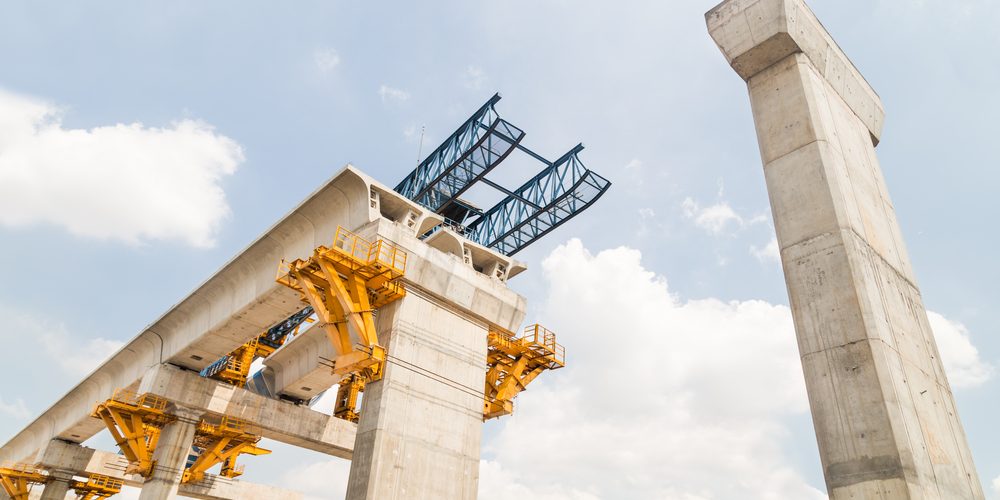
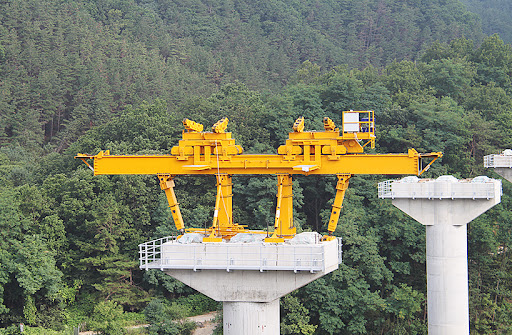
The substructure includes all parts of the bridge that support the deck, such as piers and abutments. Piers are vertical supports placed at intervals between the ends of the bridge, while abutments connect the bridge to the ground on either side.
Construction of the substructure involves:
- Erecting formwork (temporary molds for concrete)
- Pouring and curing concrete
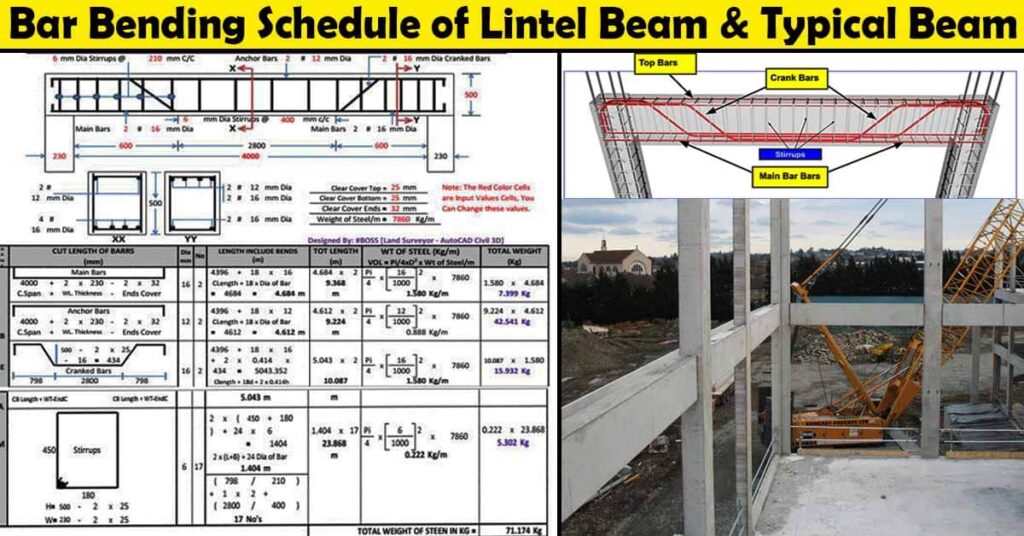
- Installing reinforcement bars (rebar) for additional strength
This phase requires precision to ensure that the substructure is perfectly aligned and capable of bearing the loads.
5. Constructing the Superstructure
The superstructure is the part of the bridge that carries traffic and includes the deck, beams, girders, and arches. Depending on the bridge type (beam, arch, suspension, cable-stayed), the construction method varies:
- Beam bridges: Prefabricated beams are lifted into place and supported by piers.
- Arch bridges: Arches are built using scaffolding or temporary supports, then connected to the deck.
- Suspension bridges: Large cables are anchored on both ends, and vertical suspender cables hold up the deck.
- Cable-stayed bridges: Cables run directly from towers to the deck.
Materials used include steel, concrete, or a combination. Construction teams carefully assemble components, often using cranes, hydraulic jacks, and other heavy equipment.
6. Decking and Surfacing
Once the main structural elements are in place, the bridge deck is constructed. This surface carries the traffic and may include:
- Concrete slabs
- Asphalt layers
- Expansion joints to accommodate temperature changes
- Drainage systems to prevent water accumulation
Road markings, guardrails, lighting, and signage are added to enhance safety.
7. Inspection and Testing
Before opening the bridge to the public, engineers perform thorough inspections and load testing to ensure structural integrity. This includes:
- Visual inspections for cracks or defects
- Non-destructive testing methods (ultrasound, radiography)
- Applying test loads to simulate real traffic conditions
Any issues identified are repaired or reinforced to guarantee safety and durability.
8. Opening and Maintenance
After passing all inspections, the bridge is officially opened for use. However, maintenance is an ongoing process to prolong the bridge’s lifespan. Regular checks, cleaning, painting, and repairs are necessary to address wear and tear, corrosion, and environmental damage.
Conclusion
Building a bridge is an impressive feat of engineering that combines creativity, precision, and teamwork. From careful design to the final layer of asphalt, each step is crucial to creating a safe and lasting structure. The next time you cross a bridge, remember the incredible process behind its creation and the experts who made it possible.